Match the Plant to the Pollinator
Our garden is a place that more than just we enjoy — pollinators love stopping by all the brightly colored flowers for a meal. Thanks to these helpers, pollen is transferred from one plant to another, something necessary for plants to reproduce and to produce seeds and fruits. This quiz will test your knowledge about plants and the pollinators they attract!
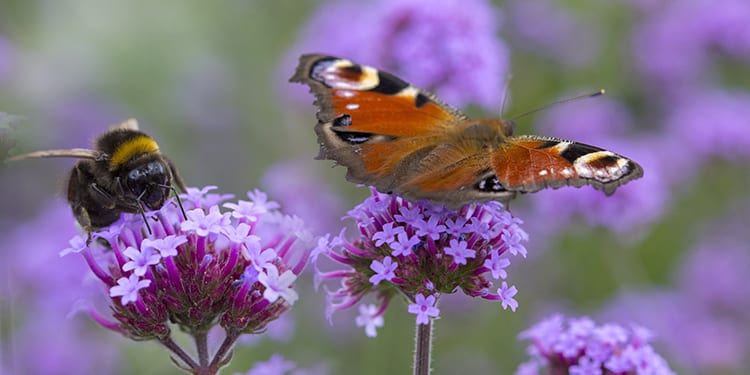
Which pollinator is most likely to visit this plant?
Bee
Hummingbird
Butterfly
All of the above
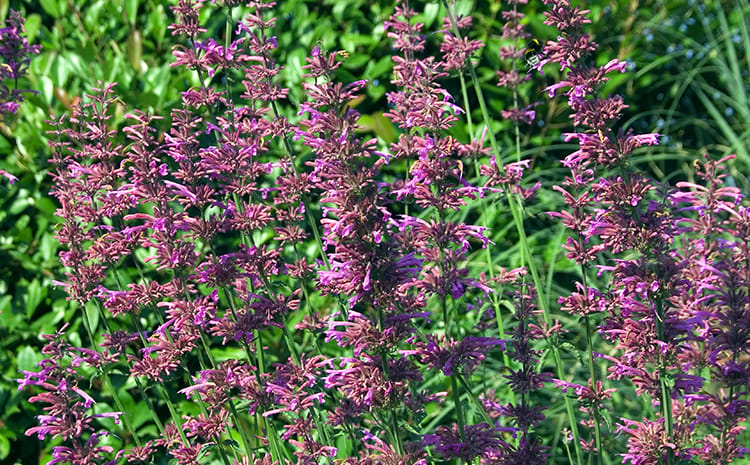
Agastache feature tall, fragrant flower spires covered in nectar-rich, tubular blooms, all of which are highly attractive to bees, butterflies, and hummingbirds!
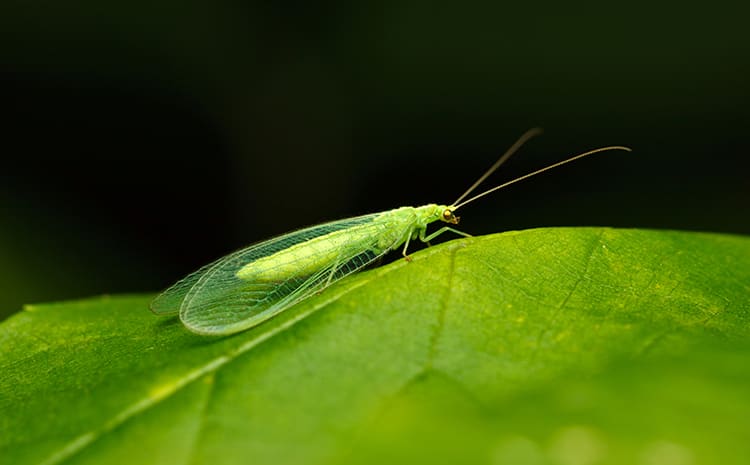
What does this insect eat?
Aphids
Nectar
Pollen
All of the above
Lacewings aren’t very picky eaters. There are many species, and some have certain preferences. But in general, the larvae help out your plants by eating aphids, while adults eat nectar and pollen as well as aphids.
Which plant is most likely to attract this pollinator?
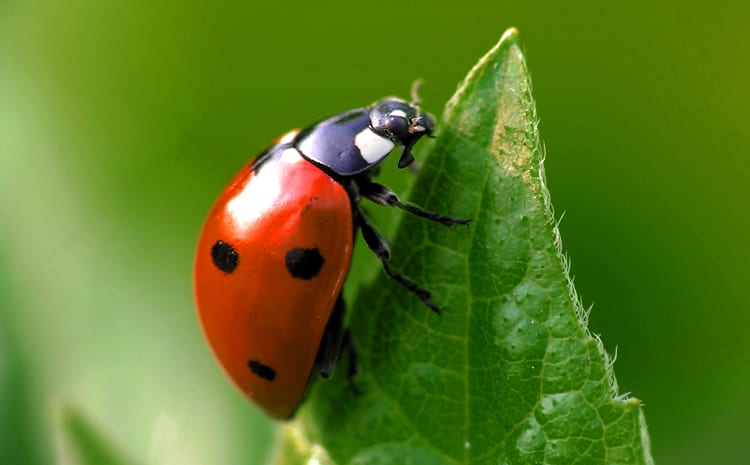
Chrysanthemums
Coneflower
Fern
Garlic
Aphids are a favorite for ladybugs, so plants that attract these plus are rich in pollen will be a go-to for ladybugs — they get dinner and dessert! Aphids love pollen-rich Coneflowers, which means this plant is at the top of the list for ladybugs.
What kind of plants should you include in your garden to attract this pollinator?
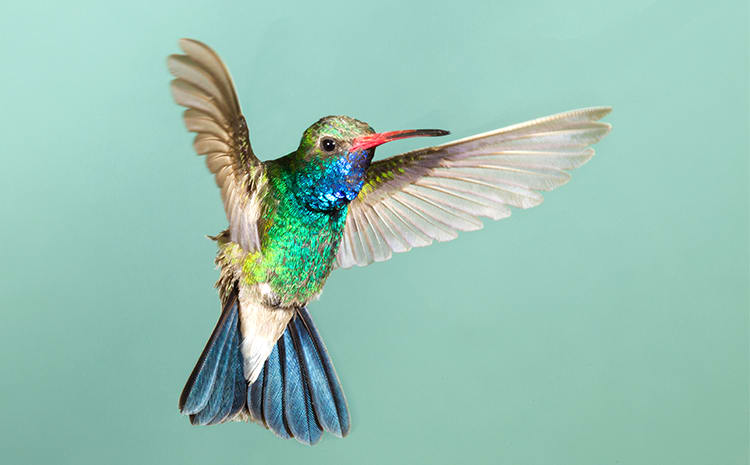
Plants with red flowers.
Plants with flowers that have nectar.
Plants with tubular flowers.
All of the above.
Hummingbirds are most attracted to red flowers full of nectar. They use their long beak and long tongue to sip nectar from tubular flowers.
Which pollinator is most likely to visit this plant?
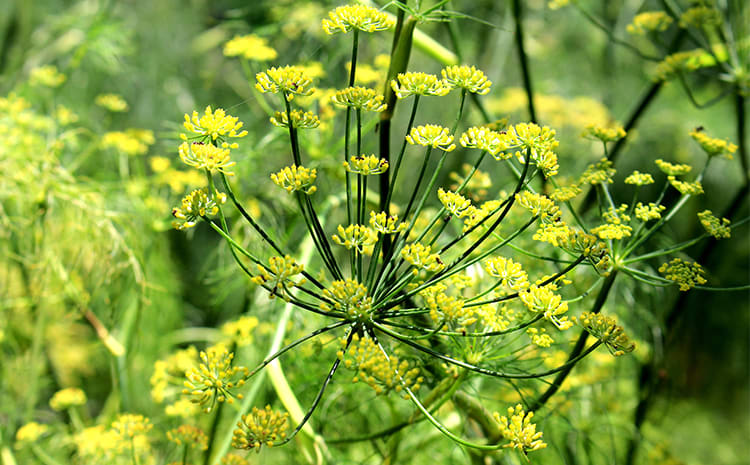
Bee
Lacewing
Ladybug
All of the above
Fennel makes for a tasty treat for many pollinators, providing them with nectar and pollen — plus, this plant is a delicious treat for us humans, so everybody wins!
Which pollinator is most likely to visit this plant?
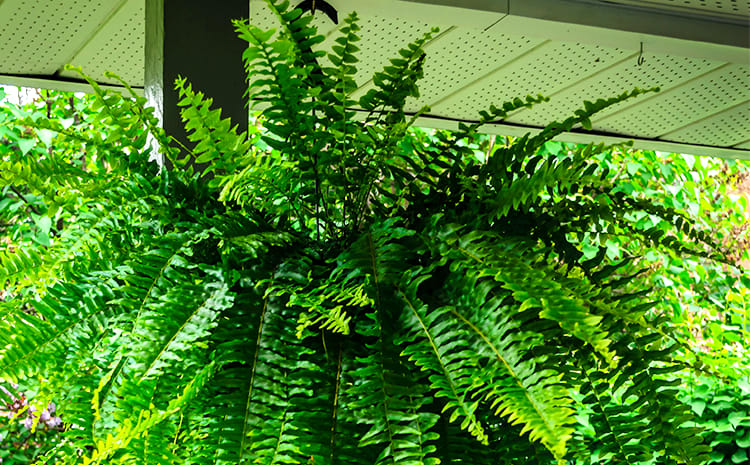
Bee
Hummingbird
Lacewing
None of the above
Ferns aren’t a source of pollen or nectar — instead of reproducing with pollen, they have spores. So while they look great in your yard, including in shady areas, ferns won’t attract pollinators.
Which plant is most likely to attract this pollinator?
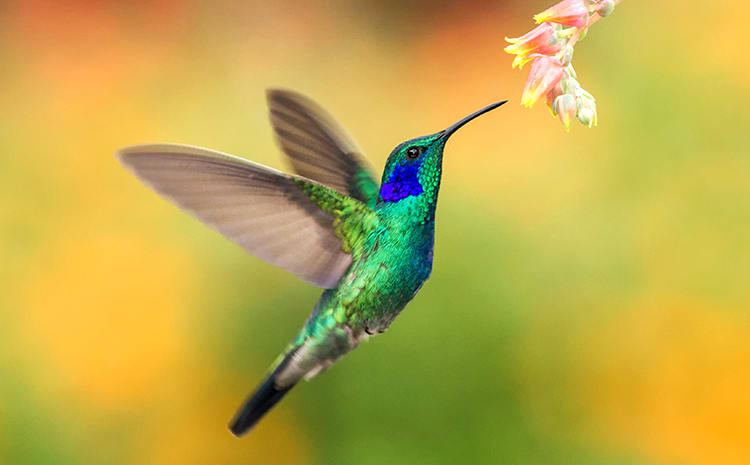
Columbine
Marigolds
Roses
All of the above
With its profuse, large, long-spurred flowers full of nectar, Columbine is sure to attract hummingbirds. But these pollinators tend to avoid plants with little nectar, like Roses and Marigolds.
Which pollinator is most likely to visit this plant?
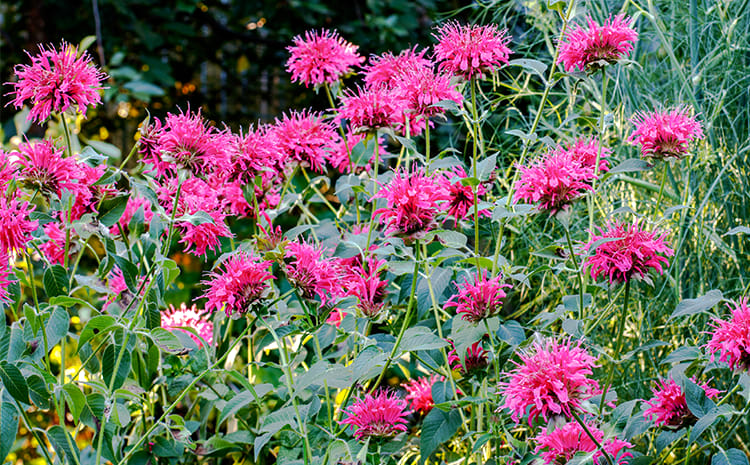
Bee
Hummingbird
Neither
Both
Bee Balm, also known as Monarda, attracts bees, as the name implies, but it’s also a favorite among hummingbirds because of the flower’s fragrance and spiky bright pink flowers.
Want to receive exclusive gardening advice and be first to know about what's going on at Kaw Valley?
Enter your email and view your results!
Low Houseplant IQ
It can take some time to learn which plants pollinators like most, so well done for putting in the effort! We hope you now know a couple more plants you can add to your yard to attract these mighty helpers.
You got {number correct}/{number of questions} correct answers
You have a good understanding of what pollinators are looking for! Now you can add even more plants to your garden to attract specific pollinators.
You got {number correct}/{number of questions} correct answers
Plants love you. Pollinators love you. And that’s what being a top-notch gardener is all about. Congratulations on knowing so much about what plants pollinators prefer!