Plan your ideal trip and find out which Scottish World Heritage Site you are
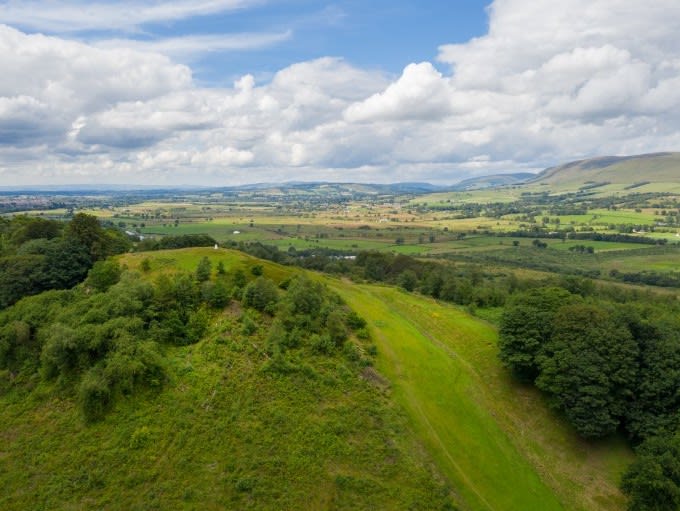
Firstly, where are you heading?
You're allowed to bring your pet. Who's your animal travel buddy?
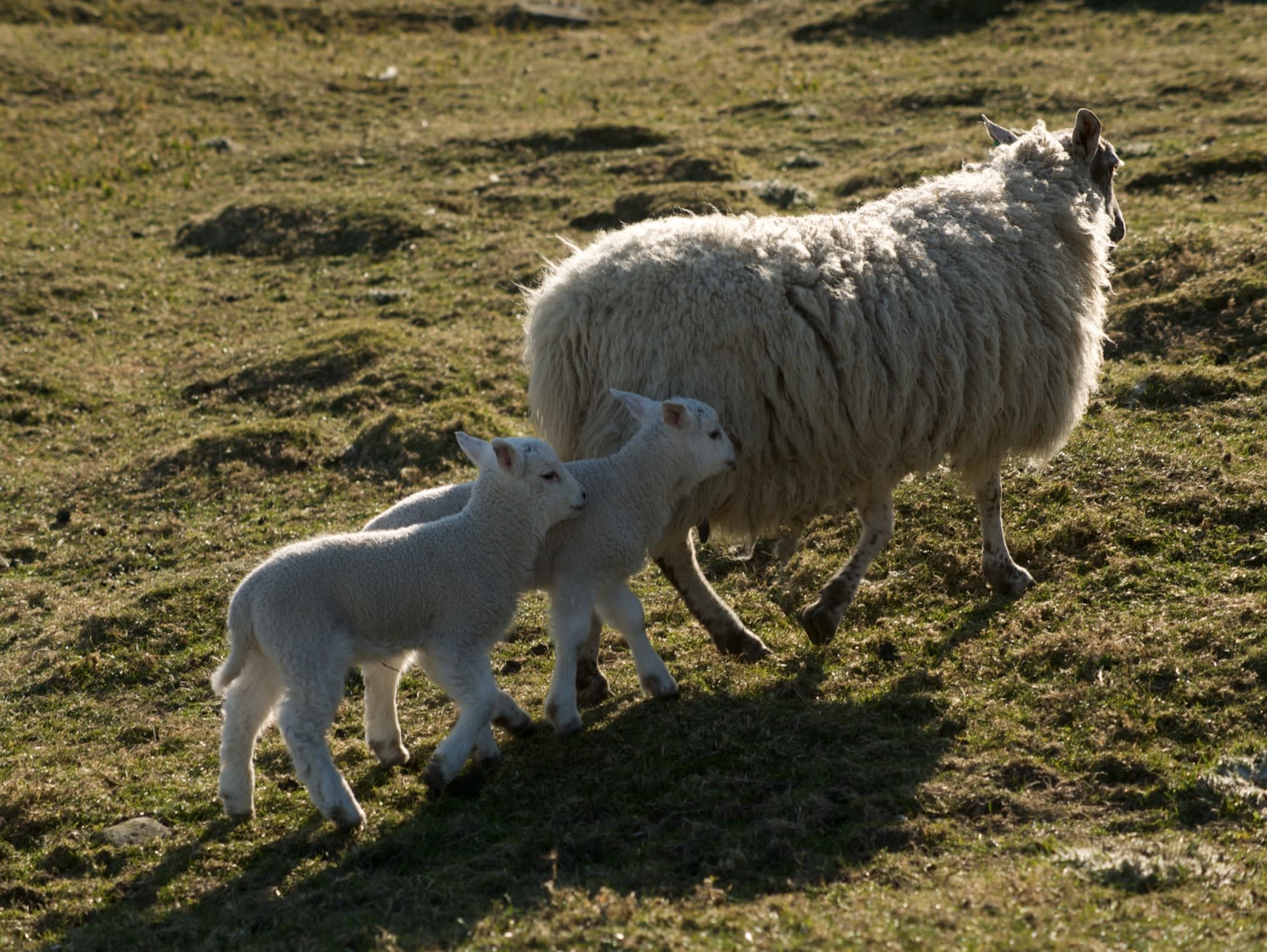

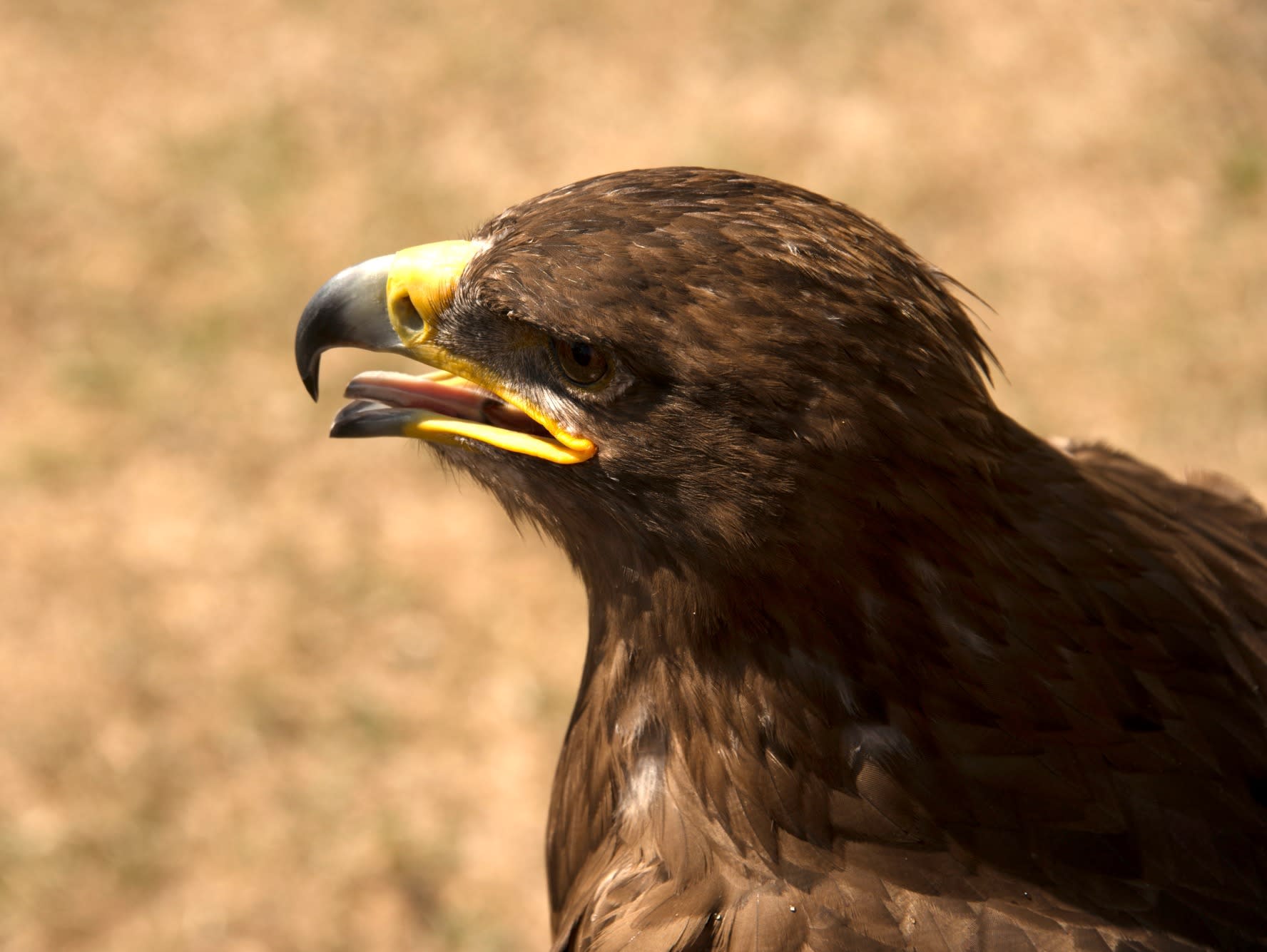
You need to wrap up warm for your journey, what colour is your coat?
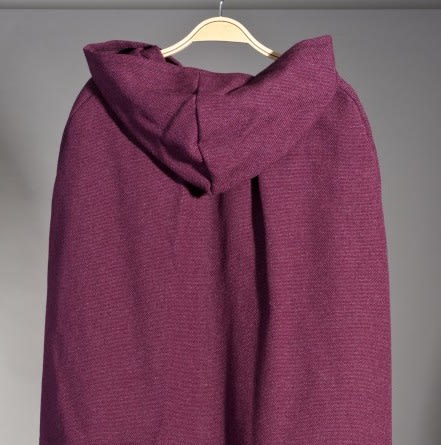
Time for some sustenance! You stop at a nice pub along the way, what are you picking from the menu?
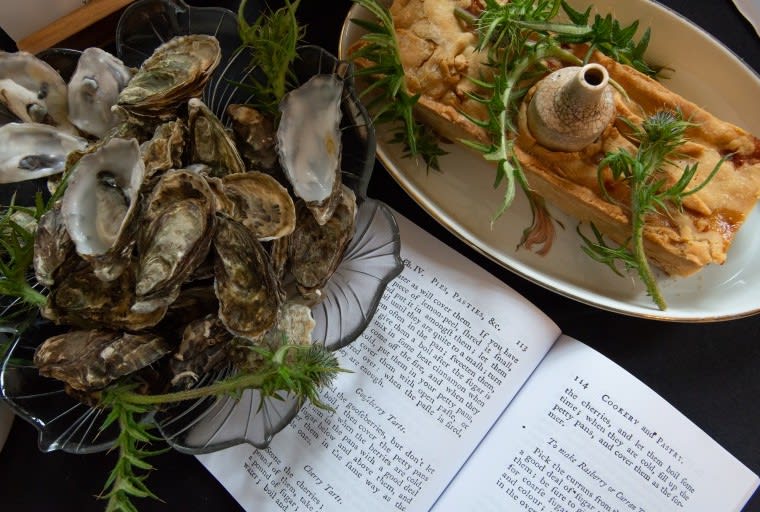
What's your preferred way of getting around?
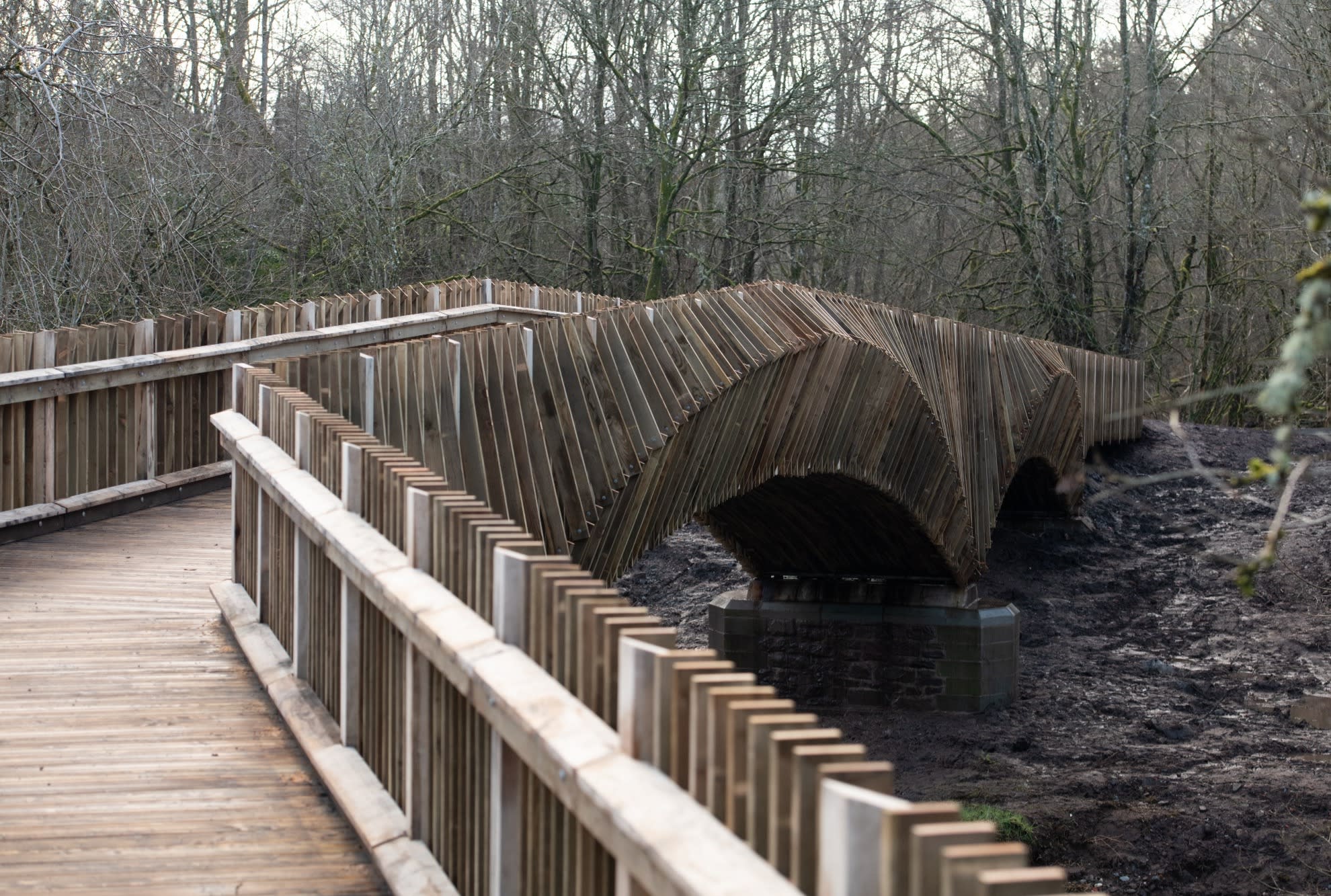
Time for some shopping. What souvenir are you going for?
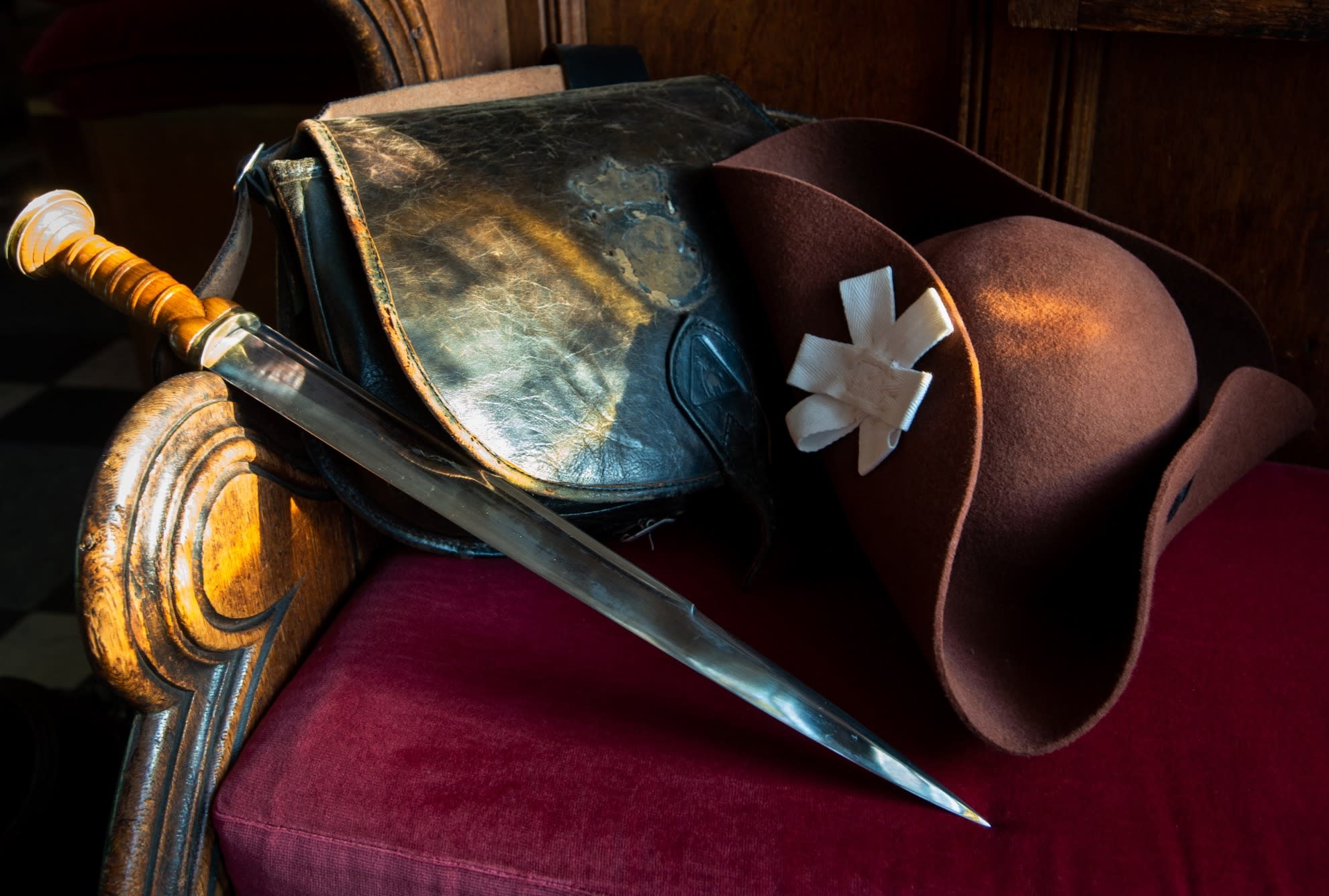
You arrive at your destination, where are you staying?
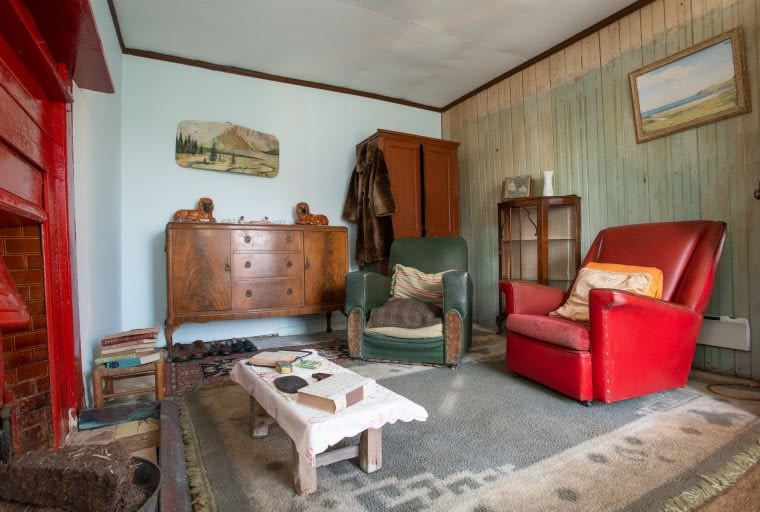
What are your plans for the day?
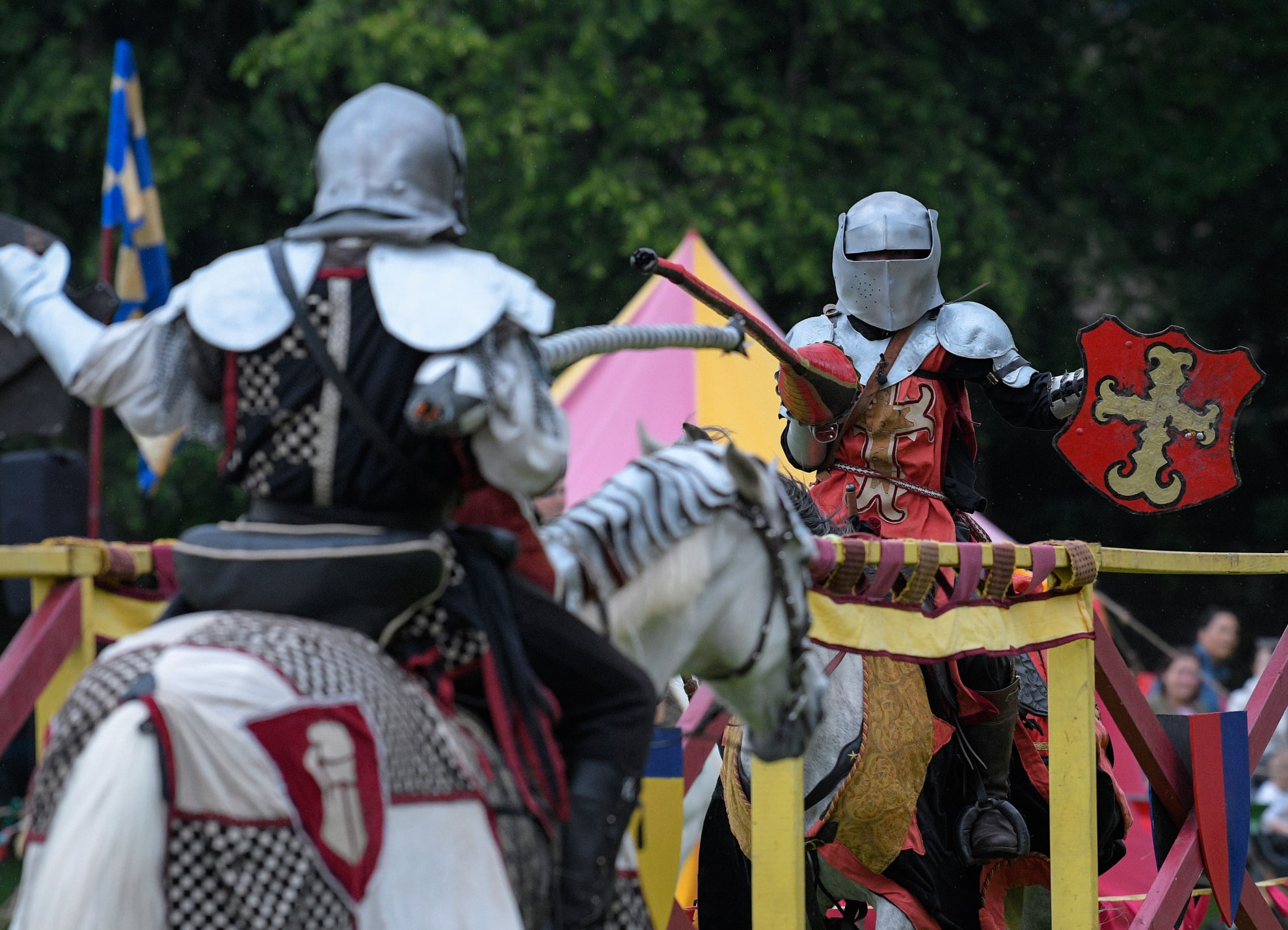
How are you winding down for the evening?
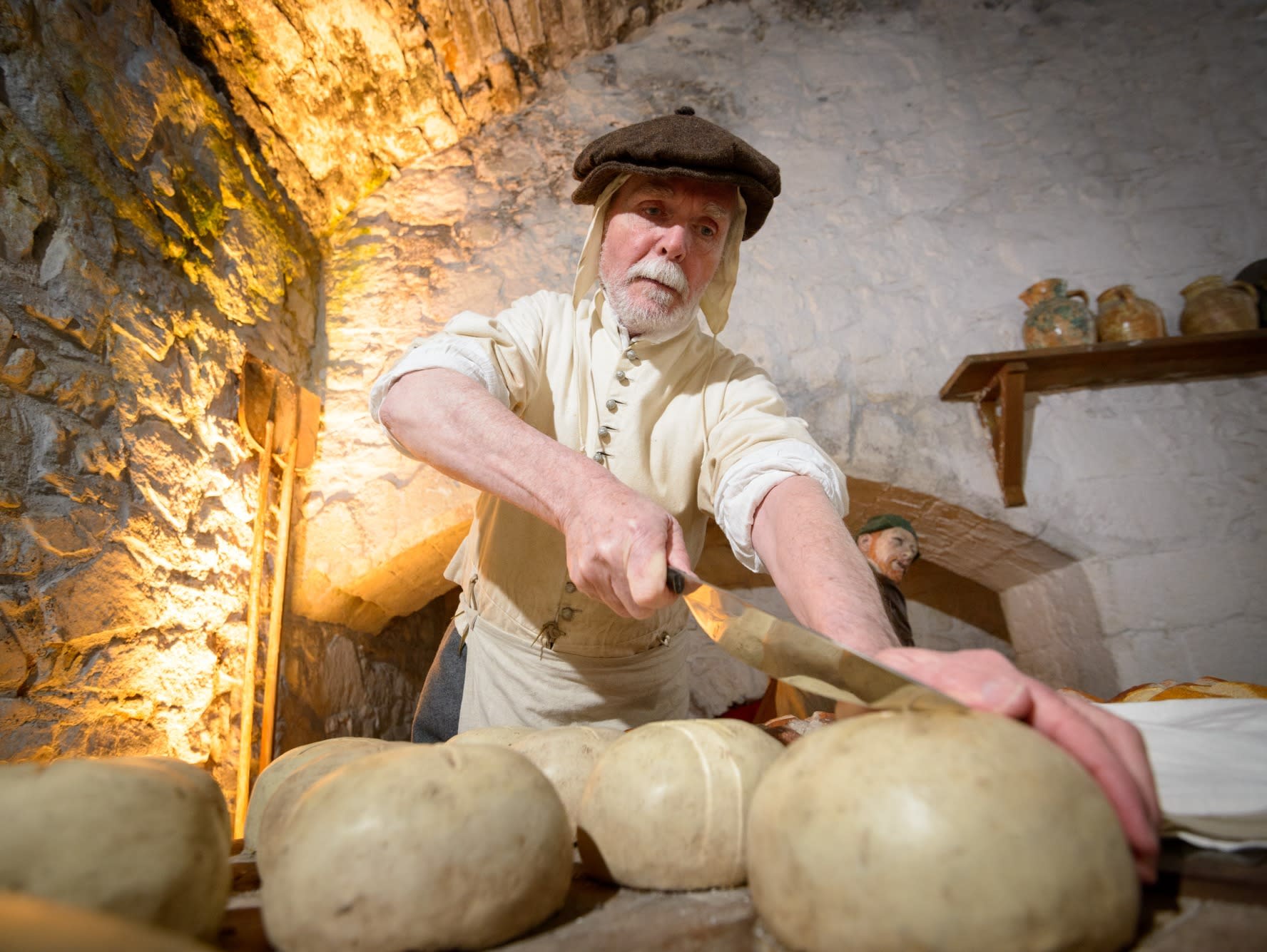
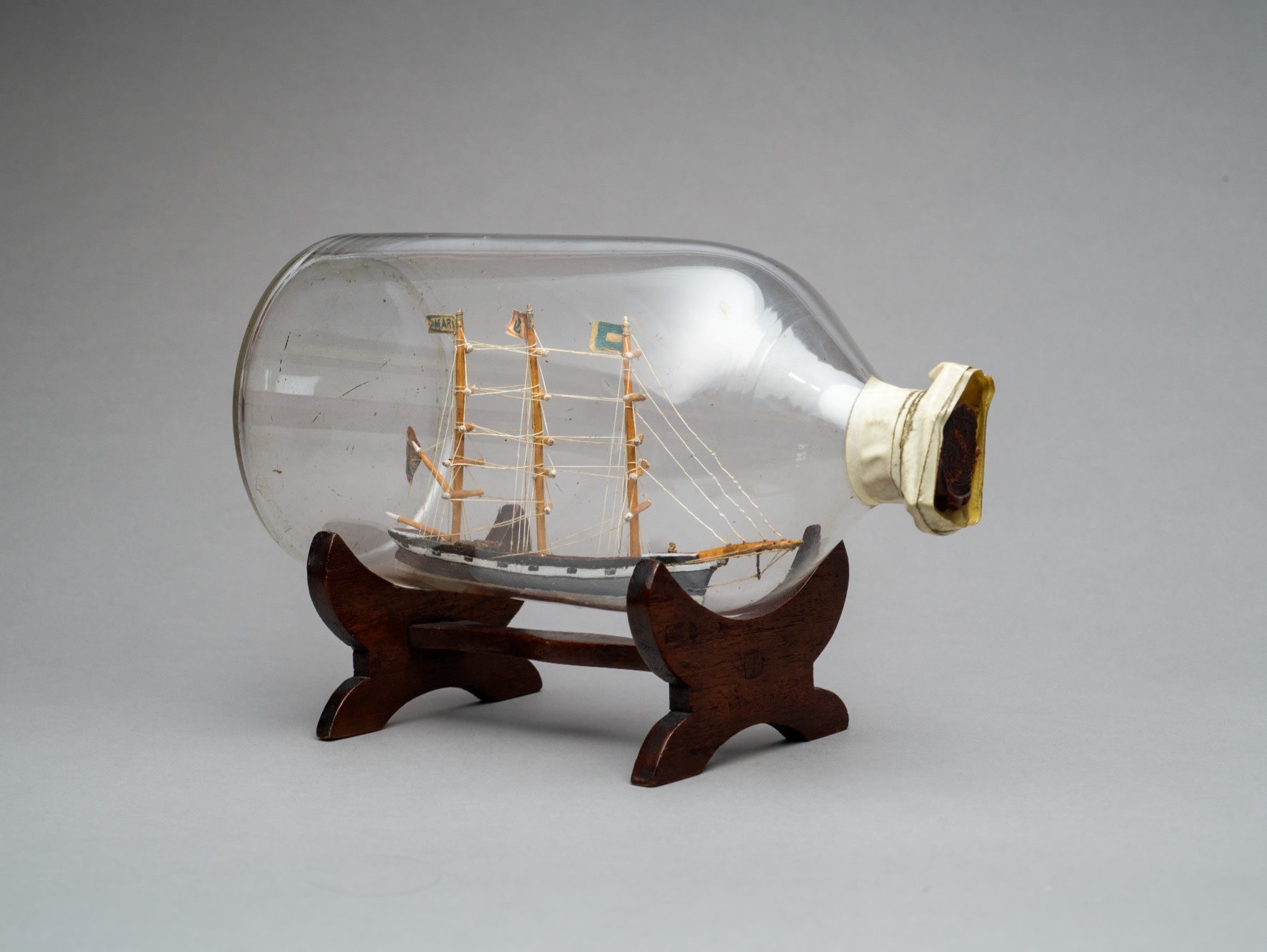
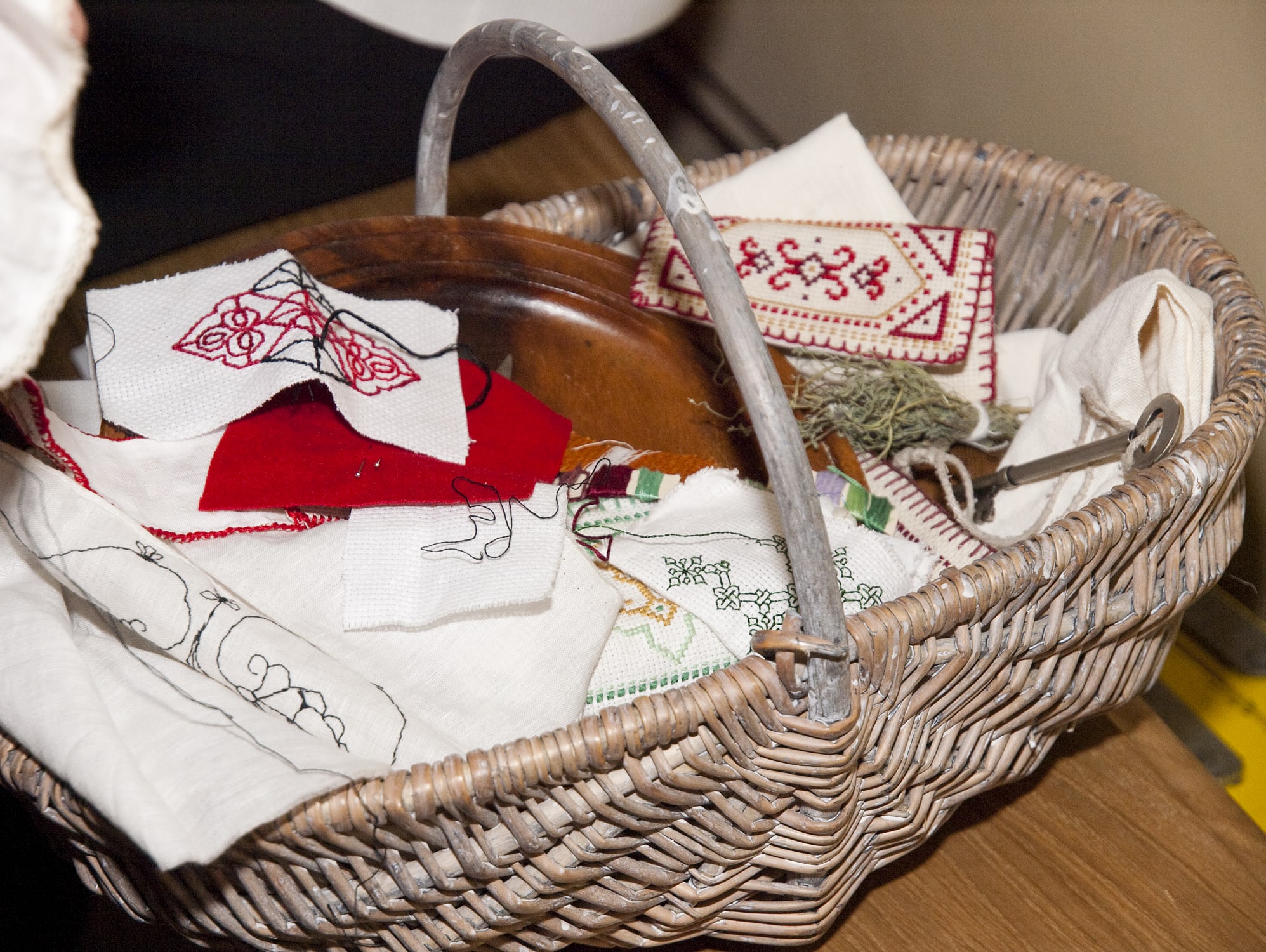
Time to get some rest! What type of bed do you go to sleep in?
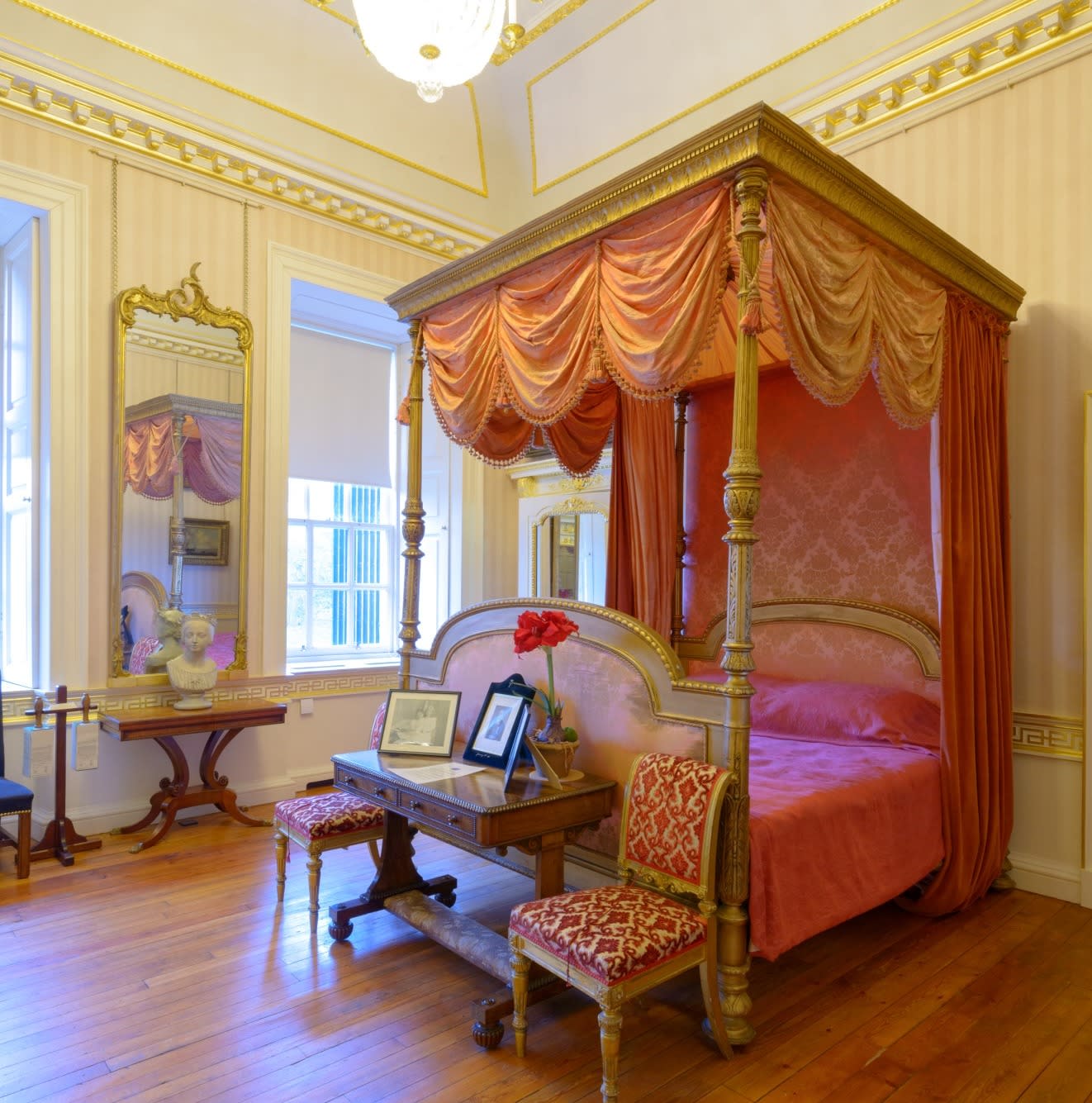
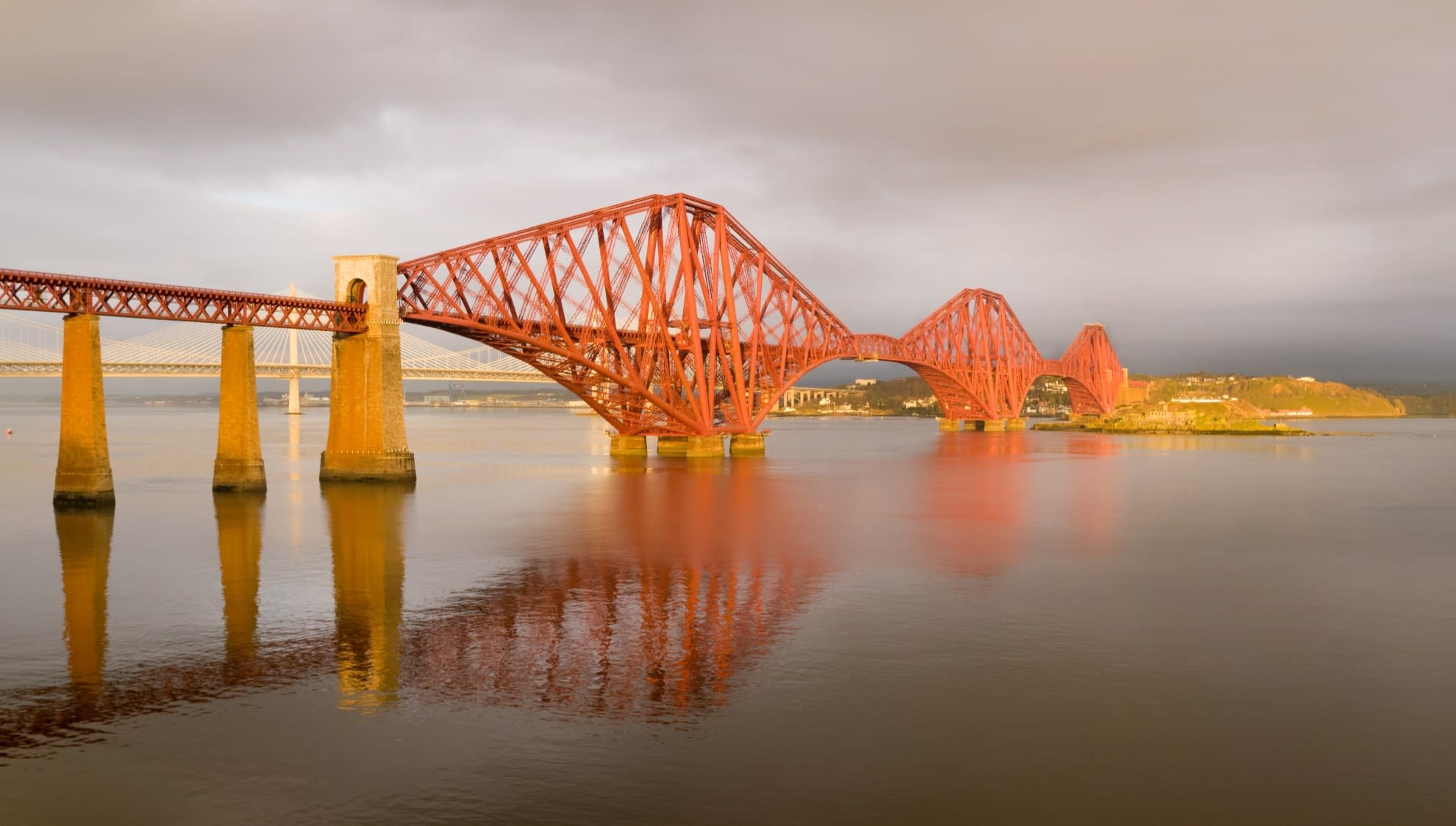
You are… The Forth Bridge!
You are strong, technically minded and innovative.
The Forth Bridge is a 2.5km-long, 110m-high cantilever bridge that stretches across the River Forth. It was innovative in its design, materials, and scale and is very graceful for something so solid.
The Forth Bridge was designed by Sir John Fowler and Sir Benjamin Baker and constructed by William Arrol of Glasgow. The firm also built Tower Bridge in London. When it was completed in 1890, the Forth Bridge was the longest cantilever bridge span in the world, and the world’s first major steel structure.
Today, the Forth Bridge is an important part of Scotland’s industrial, scientific, architectural and transport heritage. A major rail crossing, the bridge still carries more than 200 trains a day. It was restored during an ambitious refurbishment programme, completed in 2011. The old saying ‘painting the Forth Bridge’ to describe a never-ending task is no longer true as it now has a triple layer of new glass flake epoxy paint.
You are... The Antonine Wall!
You are ambitious, well organised and enjoy being in both the city and the countryside.
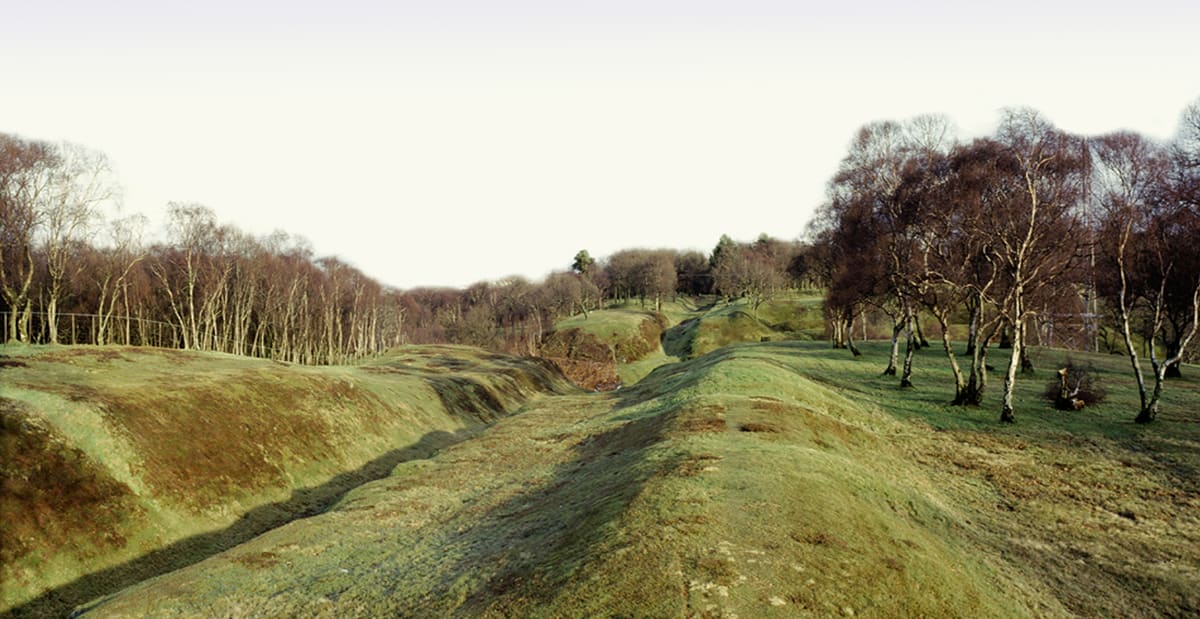
The Antonine Wall was the most northerly frontier of the Roman Empire nearly 2,000 years ago. It ran for 40 Roman miles (60km) from modern Bo’ness on the Firth of Forth to Old Kilpatrick on the River Clyde. At the time it was built, the wall was the most complex frontier ever constructed by the Roman army.
It is called the Antonine Wall because it was built on the orders of the Emperor Antoninus Pius in the years following AD 140, the wall was both a physical barrier and a symbol of the Roman Empire’s power and control.
It was never a stone wall but a turf rampart with a wide and deep ditch. Forts and fortlets along it housed troops stationed there. They were secure crossing points to control movement north and south. A road known as the Military Way ran behind the rampart, linking the forts.
The Antonine Wall was the last linear frontier built by the Romans. It was only occupied for about a generation before being abandoned in the AD 160s.
The Antonine Wall was inscribed by UNESCO in 2008, to become part of the Frontiers of the Roman Empire World Heritage Site. This already included Hadrian’s Wall (inscribed in 1987) and the German Limes (inscribed in 2005).
You are.... The Heart of Neolithic Orkney!
You are tranquil, dependable and love being surrounded by nature.
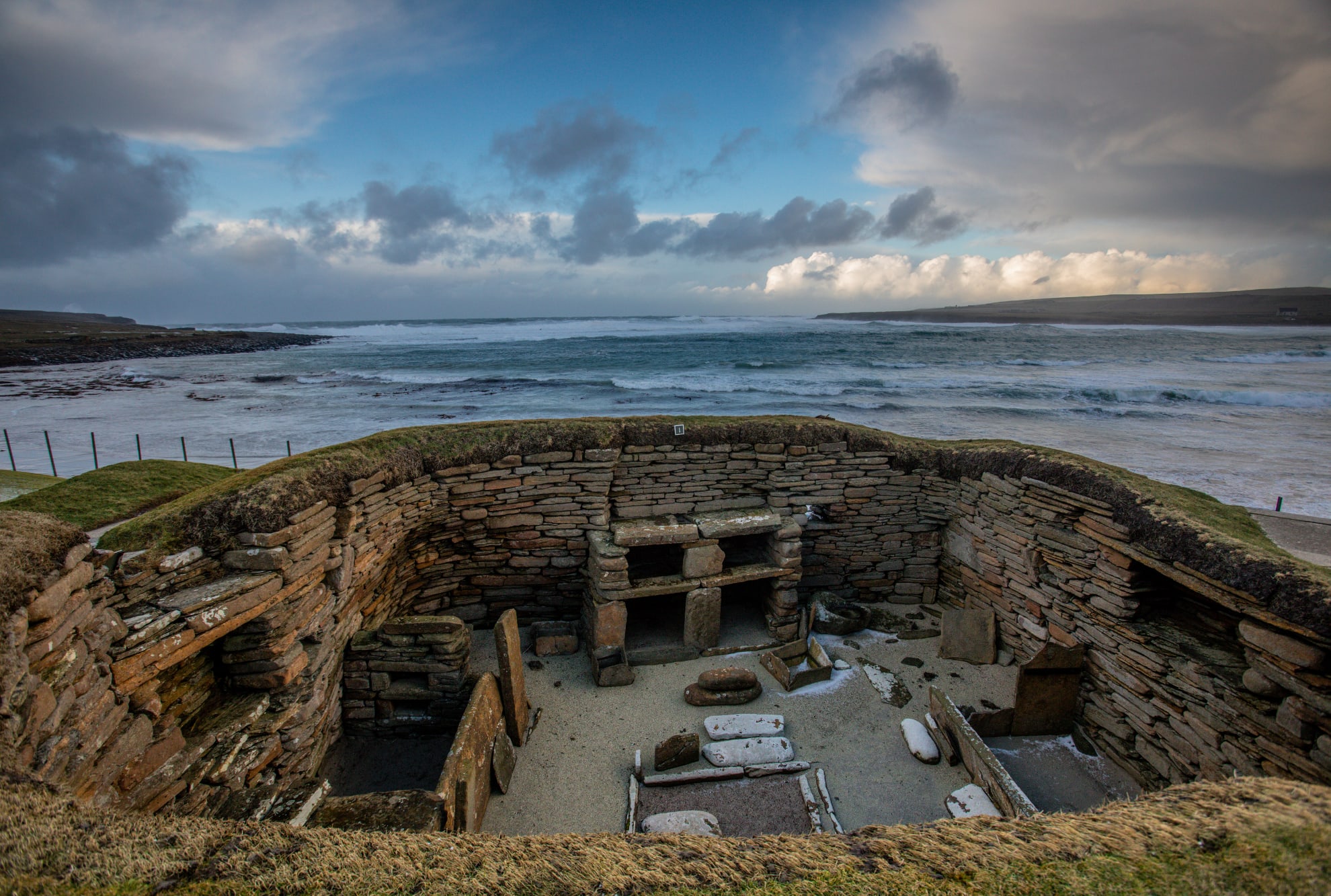
Some 5,000 years ago, the prehistoric people of the Orkney Islands began building extraordinary stone monuments. The four Heart of Neolithic Orkney sites are masterpieces of Neolithic design and construction. The four monuments are:
- Skara Brae is a domestic settlement whose stone walls, passageways, and stone furnishings – including beds and ‘dressers’ – survive to the present day
- Maeshowe, a chambered tomb, was designed so that the light of the setting sun at the winter solstice focuses on the narrow passageway, illuminating the chamber inside.
- The Stones of Stenness circle and henge is a very early example of this type of monument. The surviving stones are enormous, standing up to 6m tall.
- The Ring of Brodgar is a great stone circle 130m across. Surrounded by a rock-cut ditch, it is set in a spectacular natural amphitheatre of lochs and hills.
Together they represent one of the richest surviving Neolithic landscapes in Western Europe. They give us incredible insights into the society, skills and spiritual beliefs of the people who built them. The Heart of Neolithic Orkney lies in a wider archaeological landscape rich with remains from Neolithic times and many later periods of Orcadian history.
The Heart of Neolithic Orkney was inscribed by UNESCO in 1999.
You are... New Lanark!
You are industrious, open-minded with a strong sense of community.
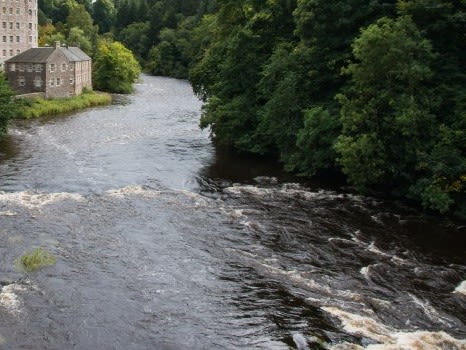
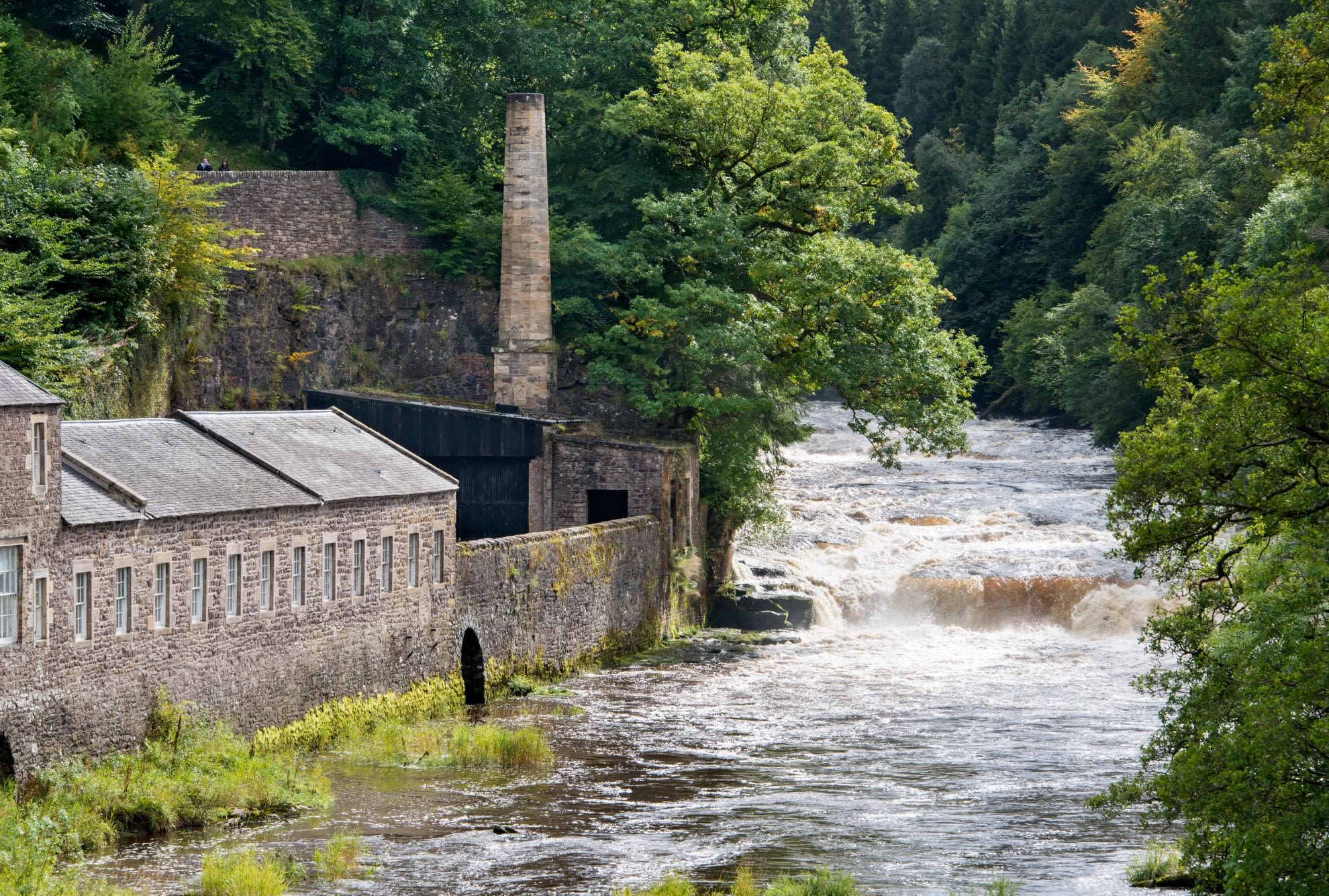
New Lanark is a restored 18th-century cotton mill village on the banks of the River Clyde, close to the Falls of Clyde in southern Scotland. It was created as a cotton-spinning village in the late 18th to early 19th century and was transformed under the management of Robert Owen.
He greatly improved the conditions, facilities and services for the workers and their families and influenced many social improvements including progressive education, factory reform, more humane working practices, and garden cities.
By 1799, New Lanark was the biggest cotton mill in Scotland and formed one of the largest factory sites in the world. More than 2,000 people lived and/or worked in the village.
The mill continued to manufacture cotton for nearly 200 years, until 1968. This helps to explain why the buildings in the village have changed so little and why it is so well preserved. The status also recognises New Lanark’s significant role in the development of model industrial settlements. It was a milestone in social and industrial history to see planning and architecture combine with a humane concern on the part of employers for workers’ welfare.
Mill owner Robert Owen’s concern for the well-being of workers is physically expressed in the planned layout of New Lanark. It is clear from the presence of the education institute, the school and the spacious workers’ housing.
Owen’s social philosophy had a profound influence on the growth of social developments throughout the 19th century and beyond.
UNESCO inscribed New Lanark as a World Heritage Site in 2001.
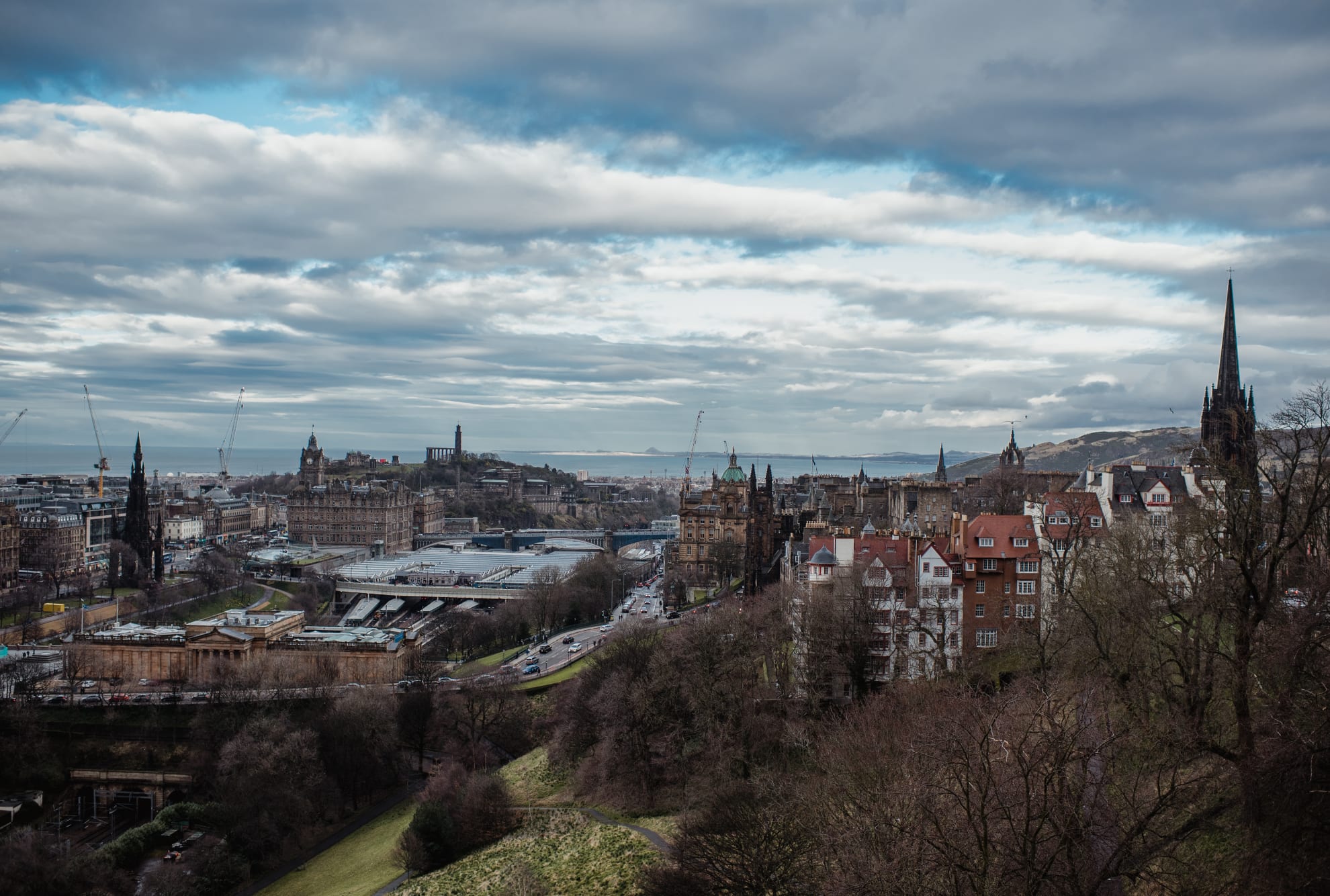
You are... Old and New Towns of Edinburgh!
You are creative, resilient and sociable.
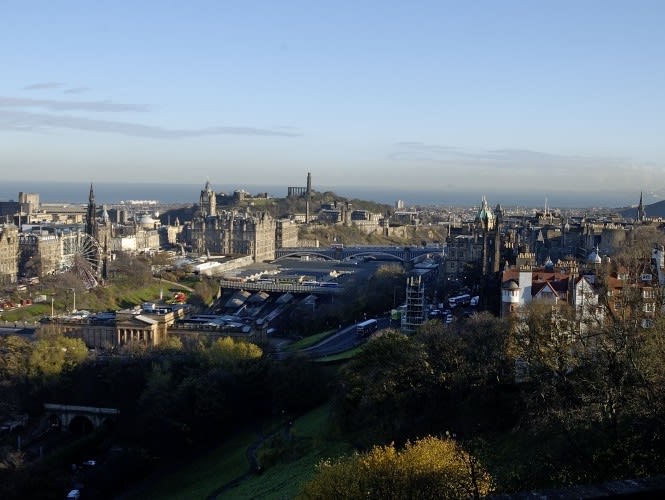
Edinburgh has been the capital of Scotland for over 500 years and is renowned for its writers, artists, philosophers and scientists.
Edinburgh is built on an extraordinary landscape of hills and valleys, formed millions of years ago by volcanoes and ice sheets. Together, this has created a truly distinctive skyline and stunning views, recognised around the world.
The city’s character comes from the contrast between the Old Town and the New Town, each of which contains many significant historic buildings. The medieval Old Town retains its distinctive pattern of narrow passageways known as closes and wynds. The New Town, designed in 1767, is the largest and best-preserved example of Georgian town planning in the UK.
UNESCO inscribed the Old and New Towns of Edinburgh as a World Heritage Site in 1995.
You are…St Kilda!
You are practical, self-sufficient and adventurous.
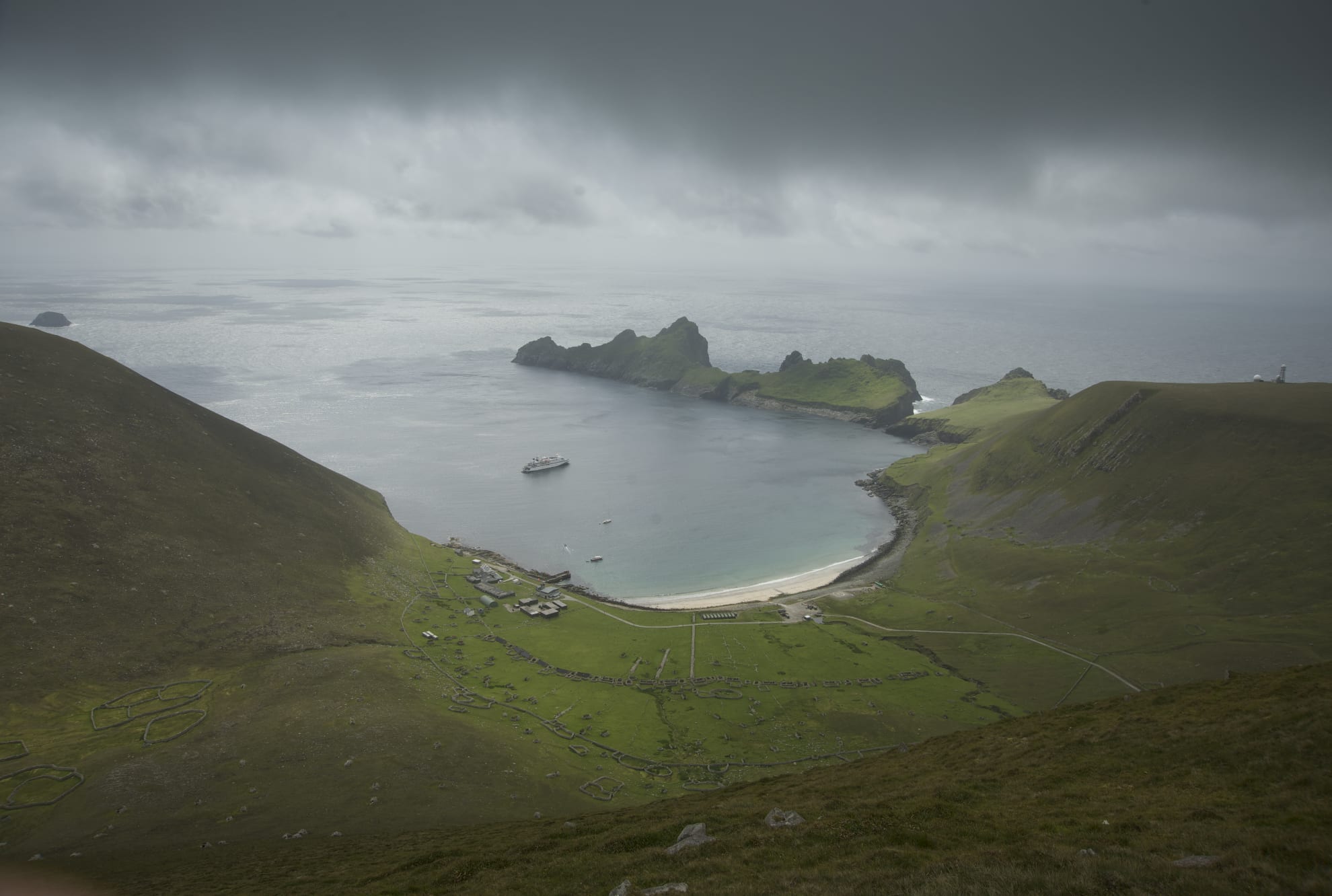
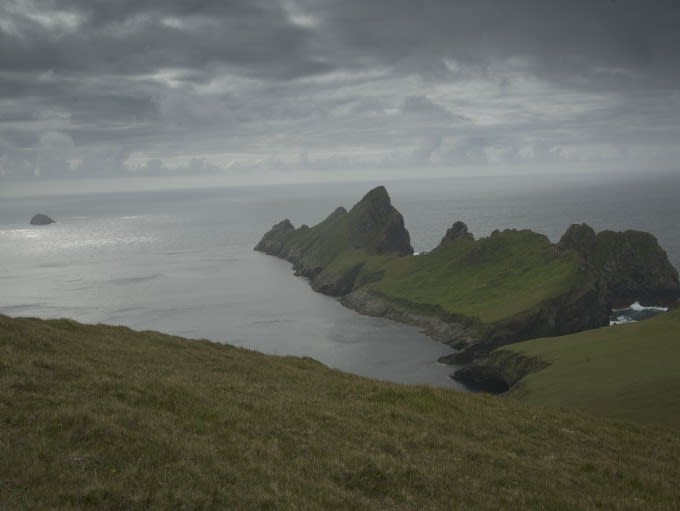
St Kilda is a group of five remote islands – Hirta, Soay, Boreray, Dun and Levenish – in the North Atlantic, 100 miles off the west coast of Scotland. It is one of the few World Heritage Sites to hold mixed status for its cultural and natural qualities.
The last residents of St Kilda left in 1930, ending around 4,000 years of human occupation. They survived what appears to be a very harsh environment by catching seabirds for food, feathers and oil, farming crops and raising livestock.
The archipelago is a spectacular landscape of vertical cliffs and sea stacks surrounding the safe haven of Village Bay. Clear oceanic waters support a stunning range of animals and plants. Cliffs host the largest colony of seabirds in Europe. The sheep, field mice and wrens on St Kilda are unique to the islands.