Who did the prominent African American abolitionist, Charles B. Ray, task in Queens to help raise money for the New York Vigilance Committee?
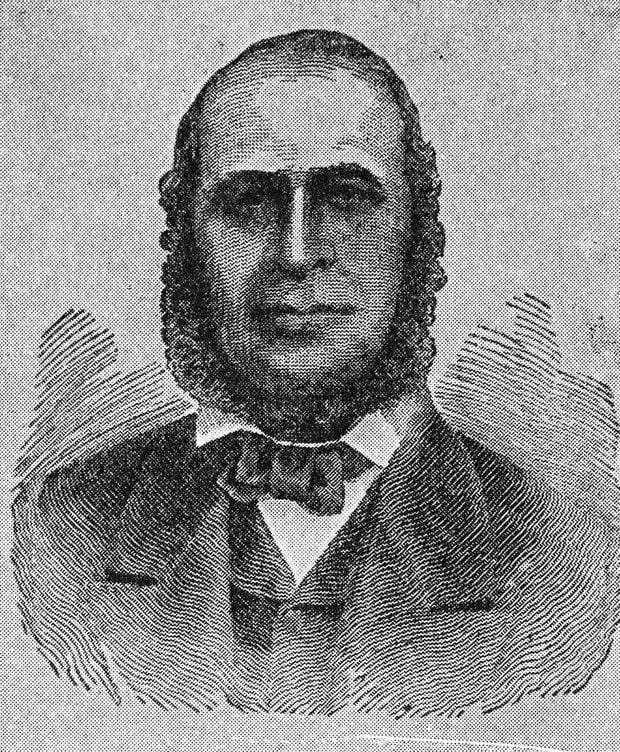
Sojourner Truth
Henry Highland Garnet
Robert Parsons
Frederick Douglass
Robert Parsons, a descendant of John Bowne’s and a resident of the Bowne House, was tasked with helping Charles B. Ray raise money for the New York Vigilance Committee, which had been founded in 1835 by David Ruggles to confront slavery.
Which Queens resident, a lifelong advocate for education for fellow African Americans, upon her death, bequeathed a large sum of money to the Flushing Free Library?
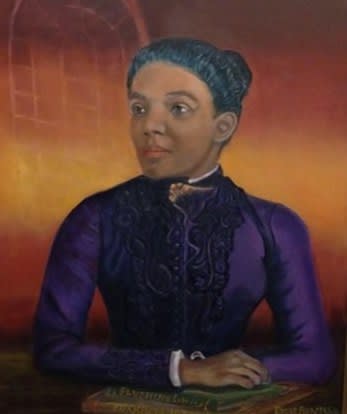
Mary Ann Elizabeth Shaw
Catherine Ten Eyck
Bertha Parsons
Sarah Parker Remond
Mary Ann Elizabeth Shaw (1870-1905) was also an educator at the Flushing Free Schooland gave money to Tuskegee University, St. Philips, Church, and to a Flushing hospital.
Which of the following free black women fought for anti-slavery activism in Europe?
Sojourner Truth
Phillis Wheatley
Mary Ann Elizabeth Shaw
Sarah Parker Remond
Sarah Parker Remond (1824- c.1894) was born free to a prominent Black family in Salem Massachusetts in 1824. In addition to her financial contributions to antislavery causes, Sarah delivered speeches in U.S cities including New York and Boston, as well as around Europe, during the American Civil War to muster support for the North.
Which abolitionist fought and won a court battle that freed her five year old son from slavery?

Mary Ann Elizabeth Shaw
Sojourner Truth
Phillis Wheatley
Sarah Parker Remond
Sojourner Truth (1797-1863) was an abolitionist and suffragist who escaped from a New York State slave owner in 1826. After her escape, she was temporarily housed by a Quaker family living in New Paltz, New York. In 1827, she successfully sued for and won her oldest son’s freedom. In 1851, she published the Narrative of Sojourner Truth, a book about her time as a slave and her life as an activist.
Which abolitionist cofounded a magazine and owned a farm in Queens, New York?
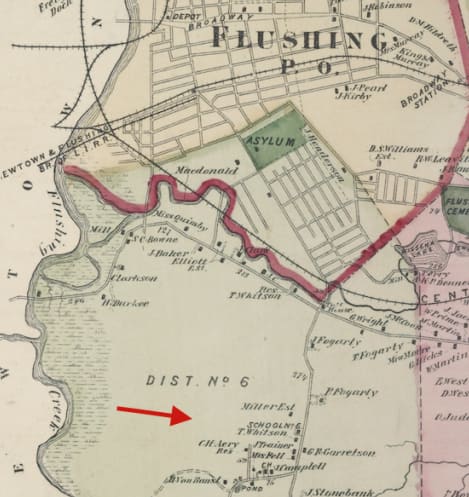
Wilson Rantus
Thomas Hamilton
Charles B. Ray
Patrick H. Reason
Wilson Rantus (1807-1861) was a cofounder of “The Anglo-African” magazine, along with Thomas Hamilton. He had a farm that included land near the present-day CUNY Queens College Campus. He was one of few African Americans allowed to vote in this period, due to his large property holdings.
Which minister became the first African American to be invited to speak at the United States House of Representatives?

Frederick Douglass
Charles L. Reason
Wilson Rantus
Henry Highland Garnet
Henry Highland Garnet (1815-1882) grew up in New York City, and was educated at the African Free School. He advocated for black emigration to Liberia. In 1865, he delivered a sermon in the U.S. Capitol on the occasion of the passing of the 13th Amendment. Later, he was appointed the United States Ambassador to Liberia, where he spent the remainder of his life.
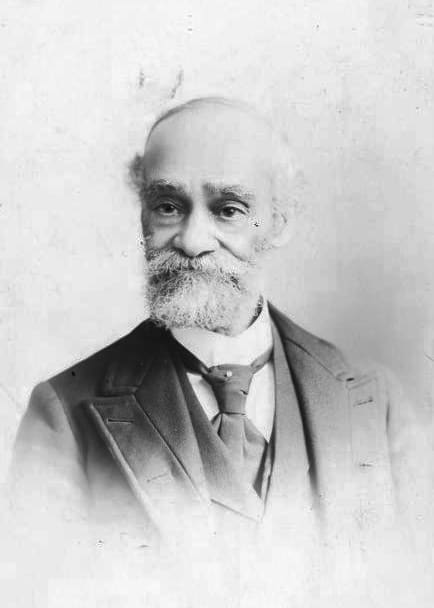
Who was one of the first African-American engravers and lithographers to fight for the abolition of slavery?
Wilson Rantus
Charles B. Ray
Patrick H. Reason
Henry Highland Garnet
Born in New York City and educated at the African Free School, Patrick H. Reason (born Patrice Rison, 1816-1898) opened his own shop where he created engravings and lithographs to promote the abolition of slavery.
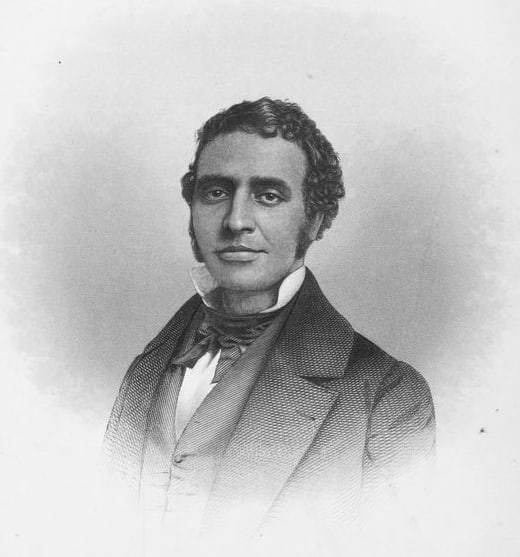
Who was the first African-American professor of a majority white college?
Charles L. Reason
Fredrick Douglass
Wilson Rantus
William Hamilton
Charles L. Reason (1818-1893, brother of Patrick H. Reason) was also born in New York City and educated at the African Free School. Along with Charles B. Ray, he founded the Society for the Promotion of Education Among Colored Children. In 1873, he successfully lobbied for passage of a statute to integrate New York's public schools and became principal of Grammar School No. 80 at 252 West 42nd Street.
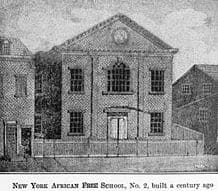
Who founded the first newspaper run by an African-American?
Wilson Rantus
William Hamilton
Charles B. Ray
Patrick H. Reason
William Hamilton (1773-1836) abolitionist, philanthropist, and founder of the first black-run newspaper, was a graduate of the African Free School. In his 1827 Emancipation Day address to celebrate New York’s abolishment of slavery, he specifically mentioned John Bowne’s decendent, Robert Bowne, by name.
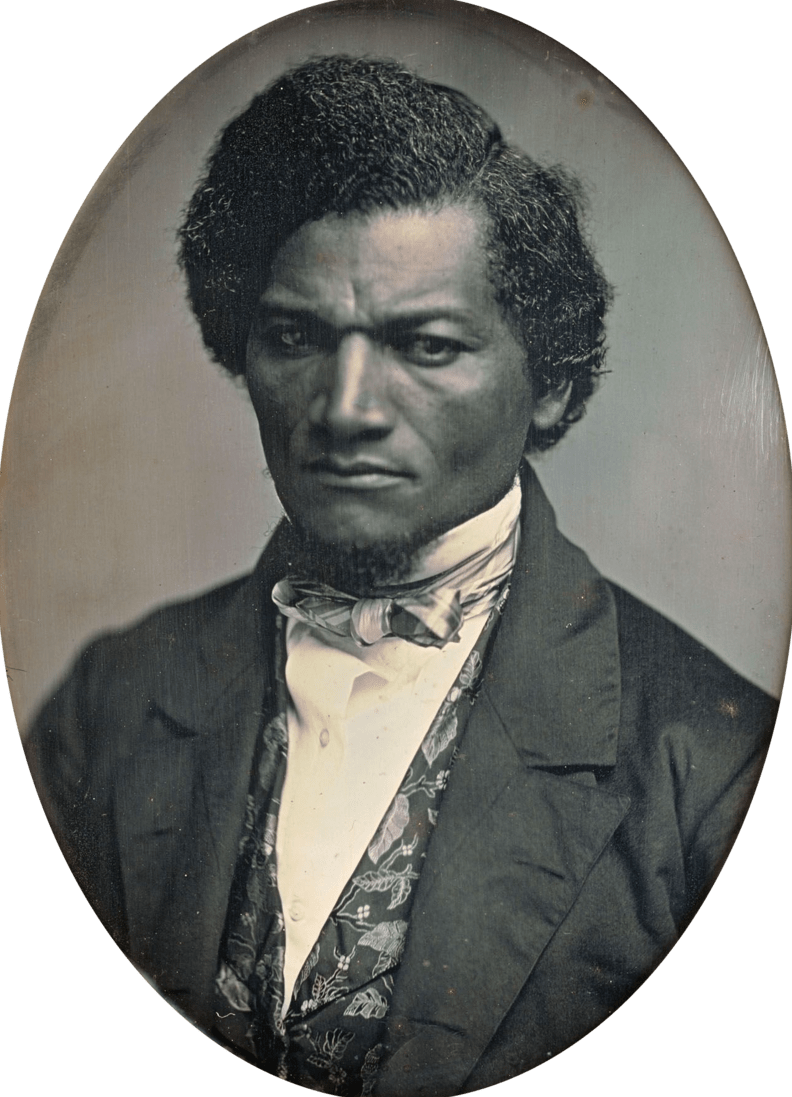
Which prominent African-American abolitionist spoke at Flushing Town Hall in 1865?
Charles B. Ray
Sojourner Truth
Henry Highland Garnet
Frederick Douglass
Frederick Douglass (1818-1895) Frederick Douglass was born into slavery, and made his way to freedom (receiving help from many, including David Ruggles). In 1865, he stopped in Flushing and spoke on the role of African Americans in the wake of the Civil War. This same year, he became the first African American invited to the White House, by Abraham Lincoln.