How Much Do You Know About Osteoporosis Screening?
Fractures caused by osteoporosis can cause chronic pain, limited mobility, loss of independence, and lowered quality of life. But if caught early, osteoporosis can be treated and the risk of fracture lowered. Should you been screened for osteoporosis?
Who should have their bones tested for osteoporosis?
The United States Preventive Service Task Force recommends testing in both of these groups.
Women age 65 or older
Any postmenopausal women at high risk
Both of the above
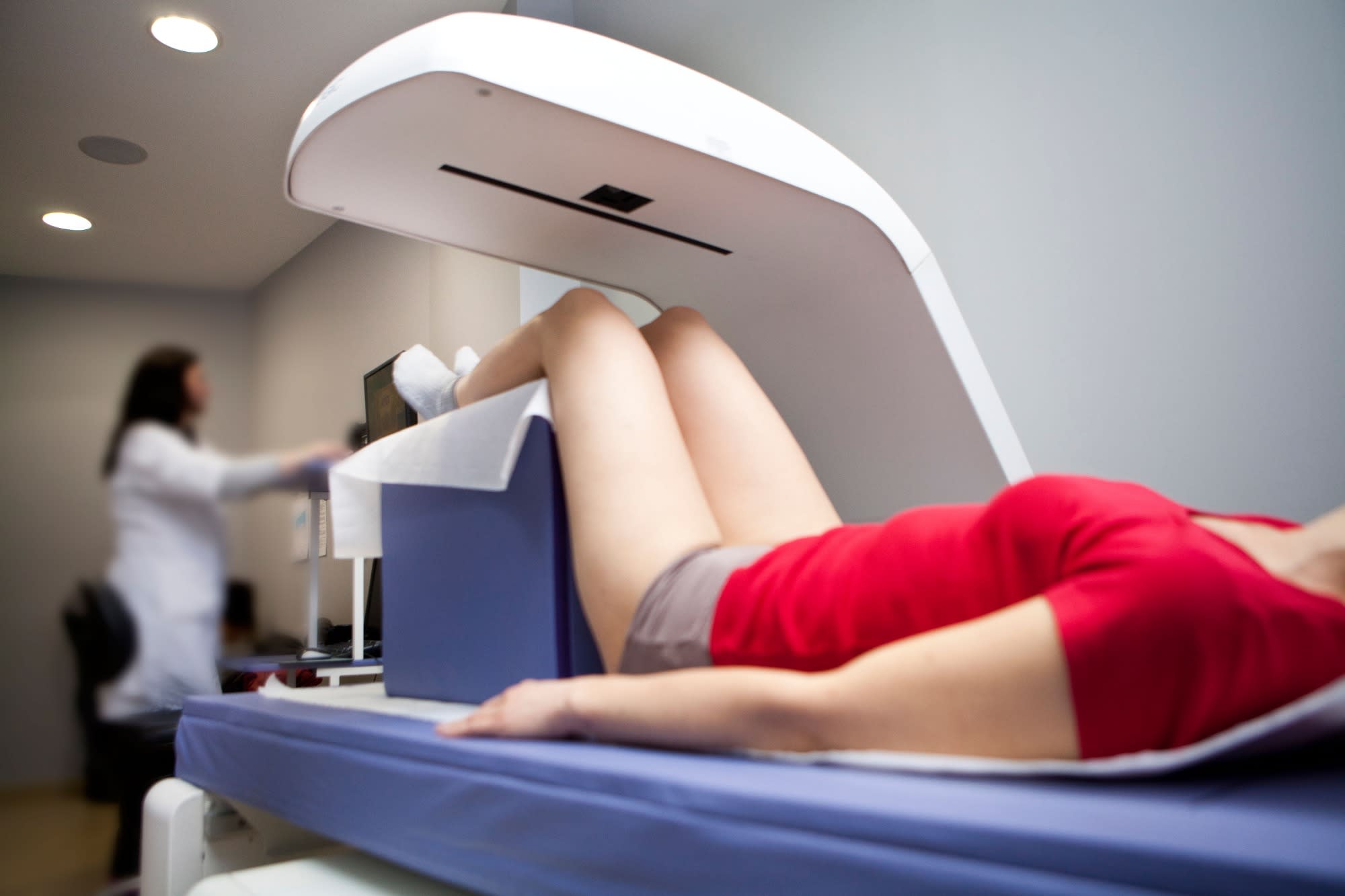
Dual-energy X-ray absorptiometry (DXA) is the only bone measurement test.
It’s the most commonly used test and provides a measurement of bone mineral density.
True
False
DXA scans are painless.
Getting a DXA scan is painless, relatively quick, and unlikely to cause harm.
True
False
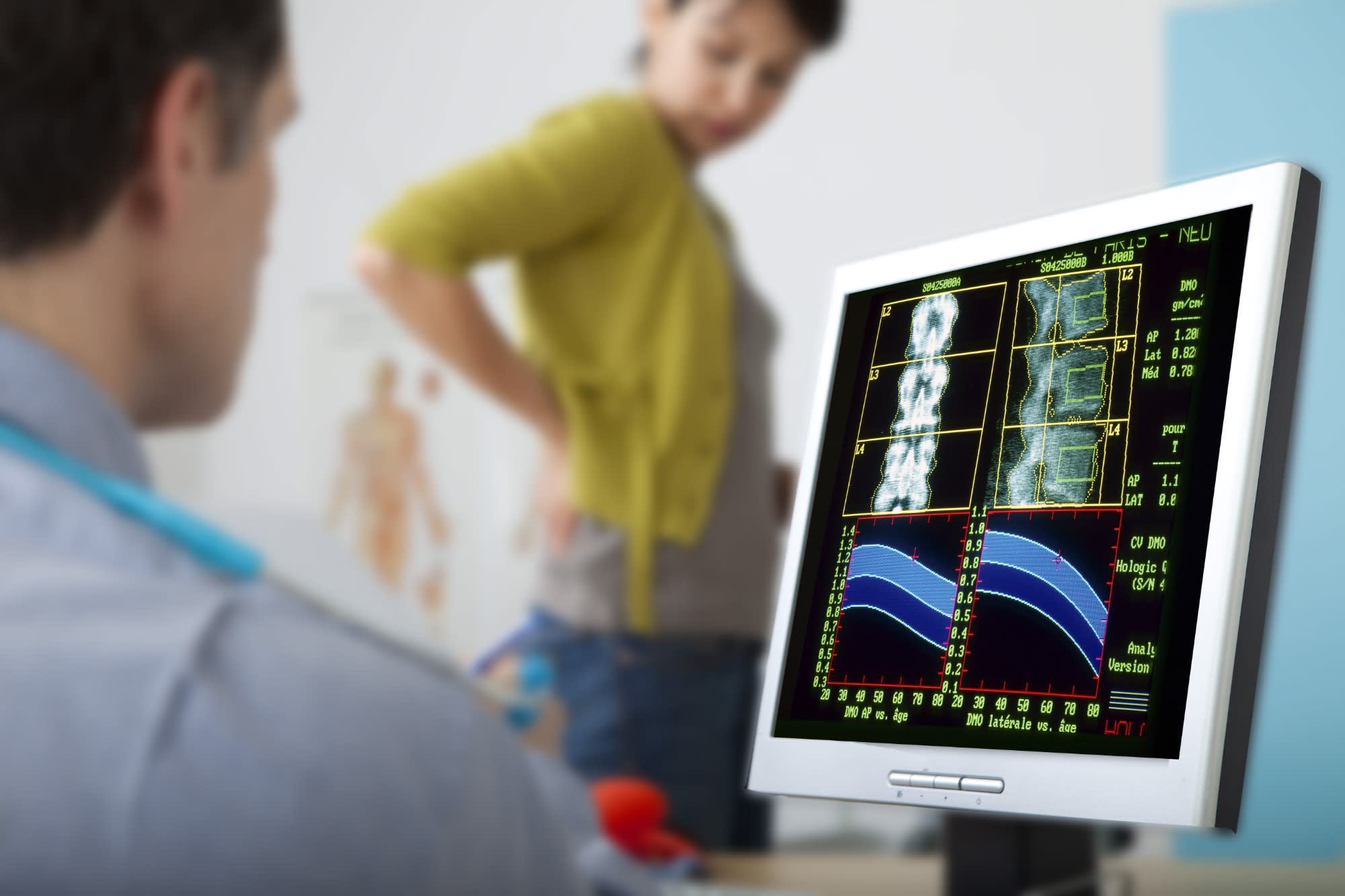
What is a normal result for a DXA scan?
A normal result is -1 or higher. A T score of -2.5 or lower indicates osteoporosis.
T score of -1 or higher
T score of -1 to -2.4
T score of -2.5 or lower
Where does the FRAX tool fit into osteoporosis screening?
FRAX uses DXA scores as well as clinical risk factors to give the 10-year probability of a fracture.
It’s an alternative to a DXA scan.
It predicts 10-year fracture risk.