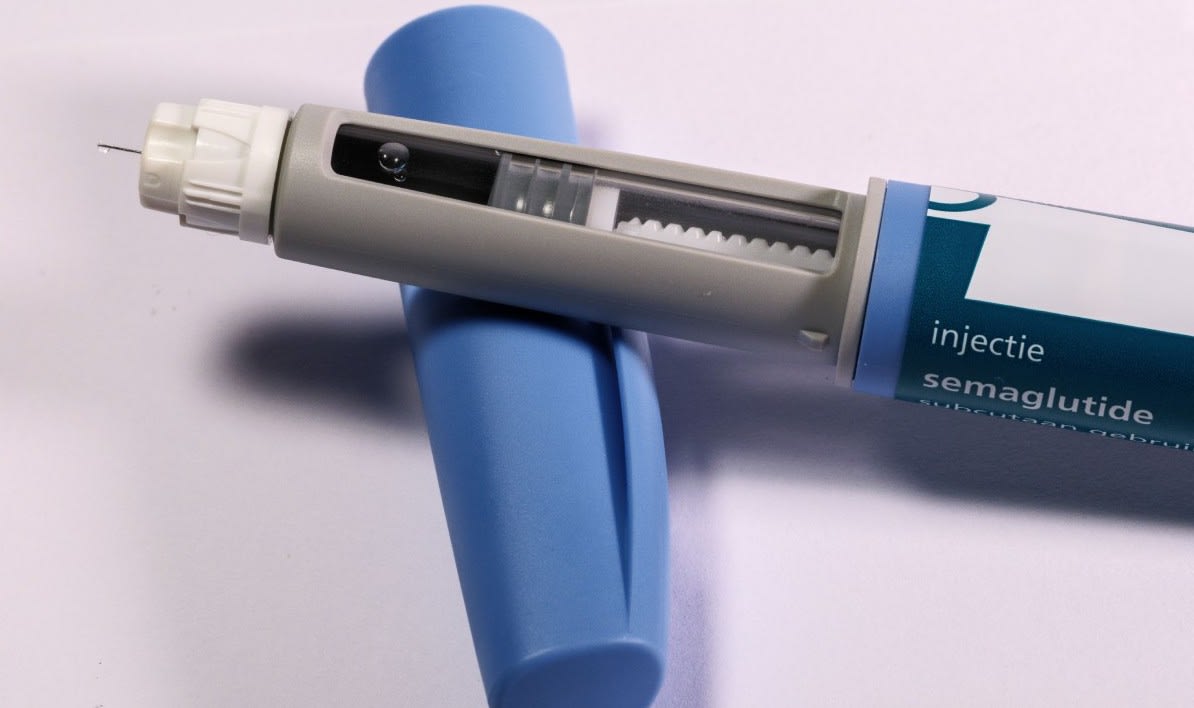
Weight loss drugs have transformed the treatment of obesity in Australia. Is it time for the government to subsidise GLP-1 medications?
Yes - everyone should have access, regardless of income
No - there are other weight-loss methods that are much less expensive
Unsure - we need to weigh the cost of subsidising against the health costs of obesity
If subsidised, who should be eligible? (Choose the closest option)
Adults with obesity (BMI 30+)
People with BMI 27+ plus weight-related health conditions (e.g., diabetes, sleep apnoea)
Only people with severe obesity (e.g., BMI 35+ or 40+)
Only people with established chronic disease (e.g., type 2 diabetes)
No one should be eligible / no subsidy
What should be the top priority if subsidies are introduced?
Improving health outcomes and preventing complications
Ensuring fair access regardless of income or location
Keeping costs sustainable for the health budget
Preventing misuse and ensuring appropriate prescribing
Supporting lifestyle and preventative health programs alongside medication
What concerns you most about subsidising these drugs (if any)?
Cost to taxpayers / PBS budget impact
Supply shortages affecting patients who need them
Over-prescribing or use for cosmetic weight loss
Long-term safety and effectiveness uncertainty
I have no major concerns
Other / not sure
How should government support be structured?
PBS subsidy with strict clinical criteria and monitoring
Time-limited subsidy (e.g., 6–12 months) linked to response
Co-payment capped to improve affordability
Subsidy only when combined with lifestyle or multidisciplinary care
No subsidy; invest in prevention and other treatments instead
Thanks for voting. Your responses help gauge public attitudes toward whether and how weight loss medications should be subsidised in Australia.
Weight loss drugs have transformed the treatment of obesity in Australia. Is it time for the government to subsidise GLP-1 medications?
0 Votes
Yes - everyone should have access, regardless of income
0%
0 Votes
No - there are other weight-loss methods that are much less expensive
0%
0 Votes
Unsure - we need to weigh the cost of subsidising against the health costs of obesity
0%
If subsidised, who should be eligible? (Choose the closest option)
0 Votes
Adults with obesity (BMI 30+)
0%
0 Votes
People with BMI 27+ plus weight-related health conditions (e.g., diabetes, sleep apnoea)
0%
0 Votes
Only people with severe obesity (e.g., BMI 35+ or 40+)
0%
0 Votes
Only people with established chronic disease (e.g., type 2 diabetes)
0%
0 Votes
No one should be eligible / no subsidy
0%
What should be the top priority if subsidies are introduced?
0 Votes
Improving health outcomes and preventing complications
0%
0 Votes
Ensuring fair access regardless of income or location
0%
0 Votes
Keeping costs sustainable for the health budget
0%
0 Votes
Preventing misuse and ensuring appropriate prescribing
0%
0 Votes
Supporting lifestyle and preventative health programs alongside medication
0%
What concerns you most about subsidising these drugs (if any)?
0 Votes
Cost to taxpayers / PBS budget impact
0%
0 Votes
Supply shortages affecting patients who need them
0%
0 Votes
Over-prescribing or use for cosmetic weight loss
0%
0 Votes
Long-term safety and effectiveness uncertainty
0%
0 Votes
I have no major concerns
0%
0 Votes
Other / not sure
0%
How should government support be structured?
0 Votes
PBS subsidy with strict clinical criteria and monitoring
0%
0 Votes
Time-limited subsidy (e.g., 6–12 months) linked to response
0%
0 Votes
Co-payment capped to improve affordability
0%
0 Votes
Subsidy only when combined with lifestyle or multidisciplinary care
0%
0 Votes
No subsidy; invest in prevention and other treatments instead
0%