Which Scottish unicorn are you? 🦄
There's *neigh* getting away from it, unicorns are pure dead brilliant! 🦄
But did you know Scotland was into unicorns waaaaaay before they got cool and famous? In fact, the unicorn has been our national animal for centuries.
The unicorn became a royal symbol in the reign of James I (1424-1437). It developed further in the reign of James III (1460-1488), who used a unicorn collared with a crown for the royal signet and distributed a gold coin that was called a ‘unicorn’.
To this day, you can find unicorns lurking in nooks and crannies all over Scotland.
Take the quiz to find out which Scottish unicorn YOU are…
You’ve got the evening free to put up your hooves and relax. What are you going to do?
You’re going on a mythical quest. Who are you taking with you?
You’re going out for your favourite meal. What are you eating?
What would your friends say was your most distinctive feature?
What would be your dream holiday?
Your song’s up next on the party playlist. What is it?
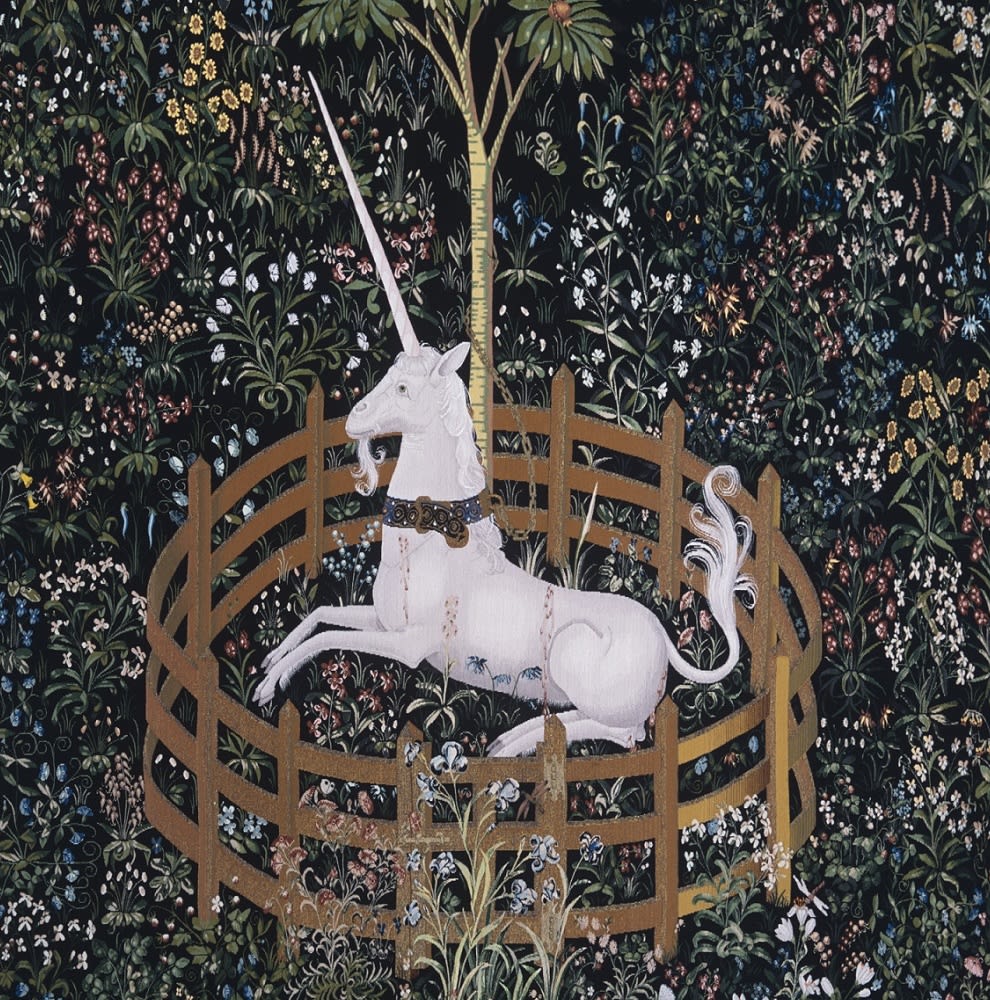
You are... the Stirling Castle tapestry unicorn!
You are forgiving, graceful and compassionate
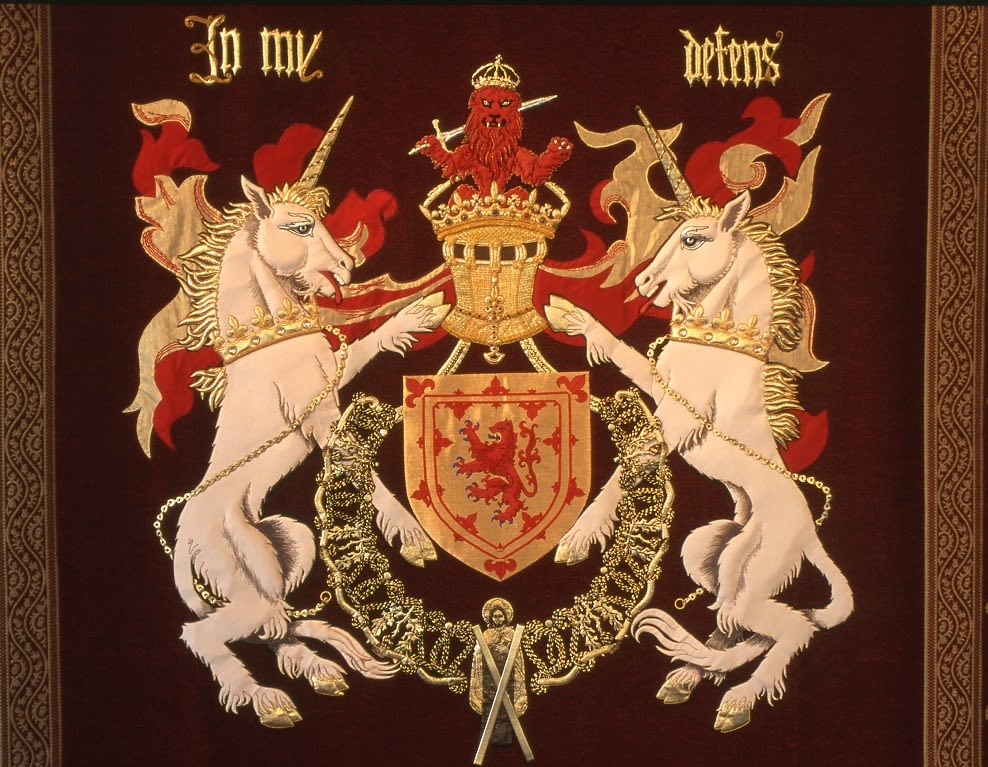
The tapestries you can see at Stirling Castle are a modern recreation of Renaissance tapestries, giving visitors an idea of how the palace might have looked when James V and Marie de Guise lived there in the mid-1500s.
We know that James and Marie owned over a hundred tapestries, but sadly none of them survives. From inventories we know that the royal couple owned two sets of tapestries based on the theme of the unicorn. When we commissioned a new set of tapestries for the palace at Stirling Castle in the early 2000s the unicorn theme seemed like the perfect fit. We decided to copy the famous tapestry series ‘The Hunt for the Unicorn’. The original now hangs in Cloisters Museum, the medieval section of the Metropolitan Museum of Art in New York.
‘The Hunt for the Unicorn’ was likely created to celebrate a marriage. This panel may have been hung in a bed chamber, with the leashed unicorn symbolizing the bridegroom tamed by love.
We then asked West Dean Tapestry Studio, a renowned crafts centre in Sussex, to create the panels for us. The international team of weavers took 13 years to weave all seven panels. They now hang in the Queen’s Inner Hall.
You can add a touch of Stirling Castle unicorn magic to your home with this beautiful unicorn cushion cover from our online shop.
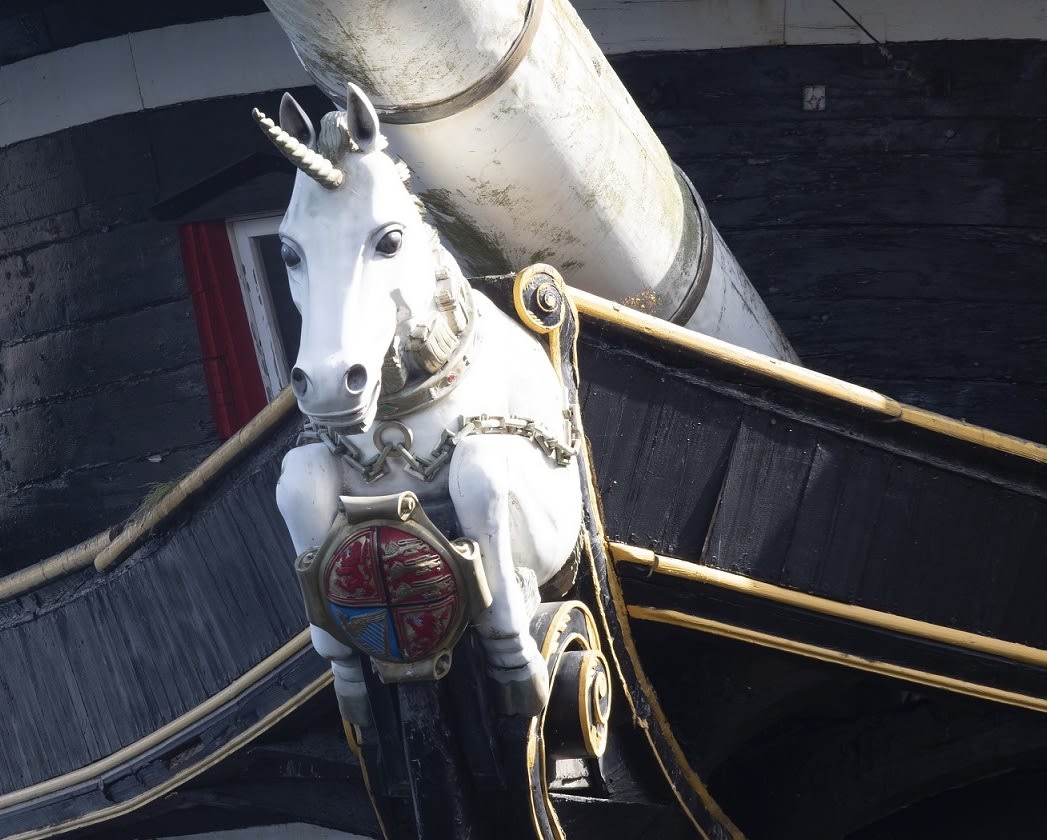
You are... HMS Unicorn!
You are adventurous, brave and can’t resist a good sea chanty!
Proudly docked in Dundee, HMS Unicorn is one of the oldest ships in the world.
HMS Unicorn is a remarkable survivor with a unique story to tell. Launched in 1824, Unicorn is a rather special ship with an impressive and curious history.
This Leda-class frigate was perfectly designed for the Royal Navy’s patrol missions, escorting trade vessels and supporting the fleet’s ‘line-of-battle’ ships. She was fast and carried 46 guns for protection.
HMS Unicorn made her way to her adopted city of Dundee in 1873. There she was used as a training ship for the Royal Naval Reserves – a role she carried out until the 1960s. She never took part in any naval battle
As well as being Scotland’s oldest ship, she is the fourth oldest British ship in existence, after Mary Rose (1511), HMS Victory (1765) and HMS Trincomalee.
Head over to our blog to find out more about HMS Unicorn.
Shop our Unicorn collection over on Stor.
You are... Dunfermline High Street Market Cross unicorn
You are a restless soul but you have strong ties to home and love the people around you.
The Dunfermline Mercat Cross has a few tales to tell! The first mention of a mercat cross at Dunfermline occurs in the burgh records of 1499. However, it’s likely that Dunfermline has had a mercat cross going back as far as 1396, when the burgh received its charter from the abbot.
Throughout its life, this mercat cross has witnessed many changes.
In 1620 the cross was removed and a new one, resembling the crosses of Edinburgh and Aberdeen, was erected in the High Street opposite the foot of “Croce Wynde”.
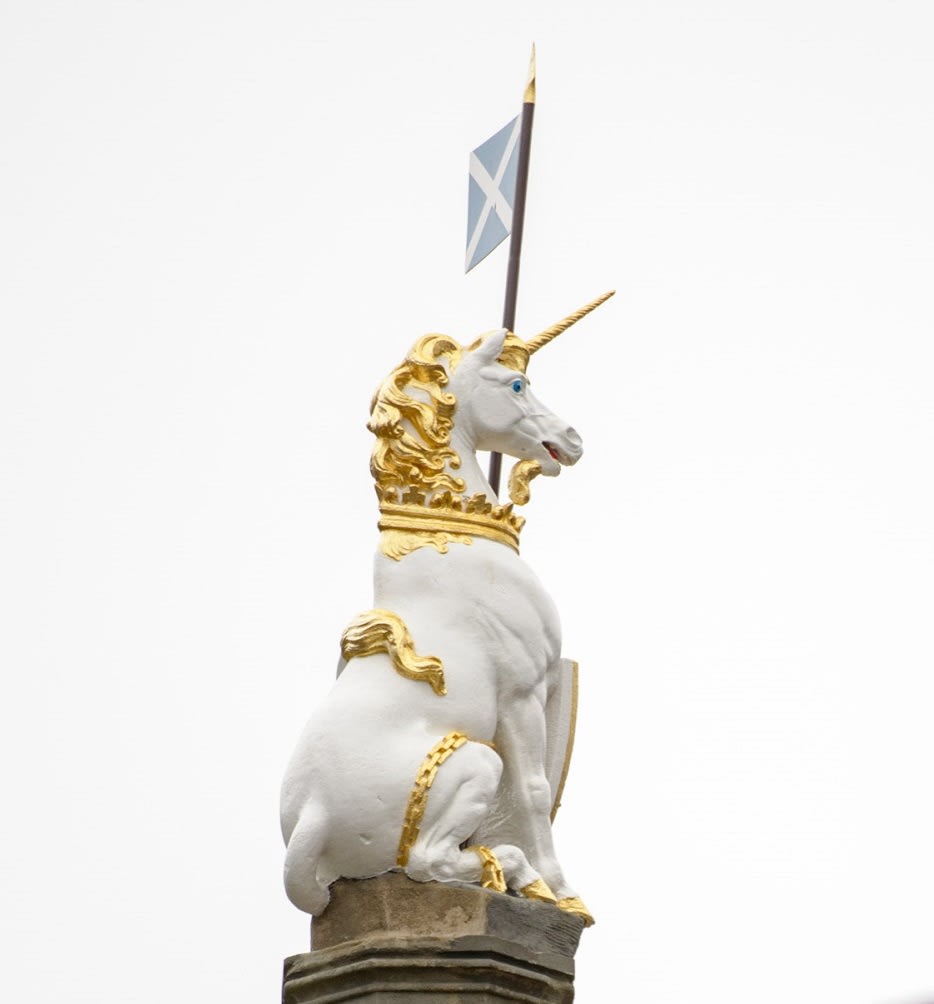
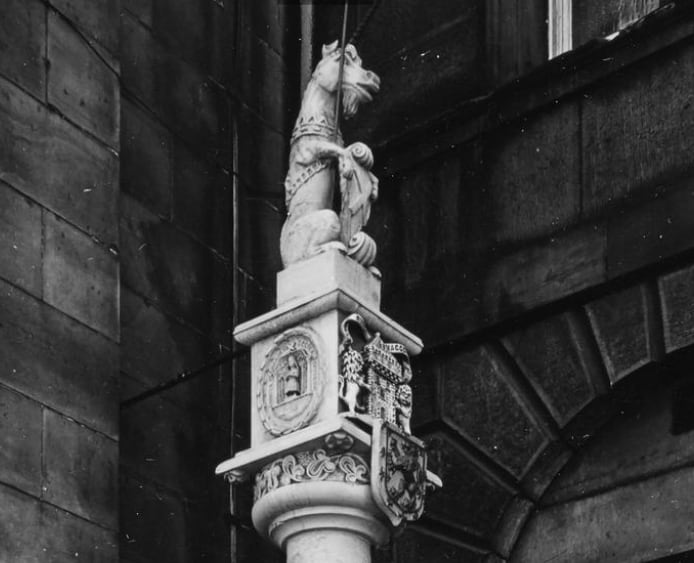
It would likely have had a large octagonal base built around a tall stone pillar supporting a unicorn.
The cross was taken down in 1752, but the central pillar was preserved. This pillar seems to be the oldest part of the cross in existence now and bears the date 1695.
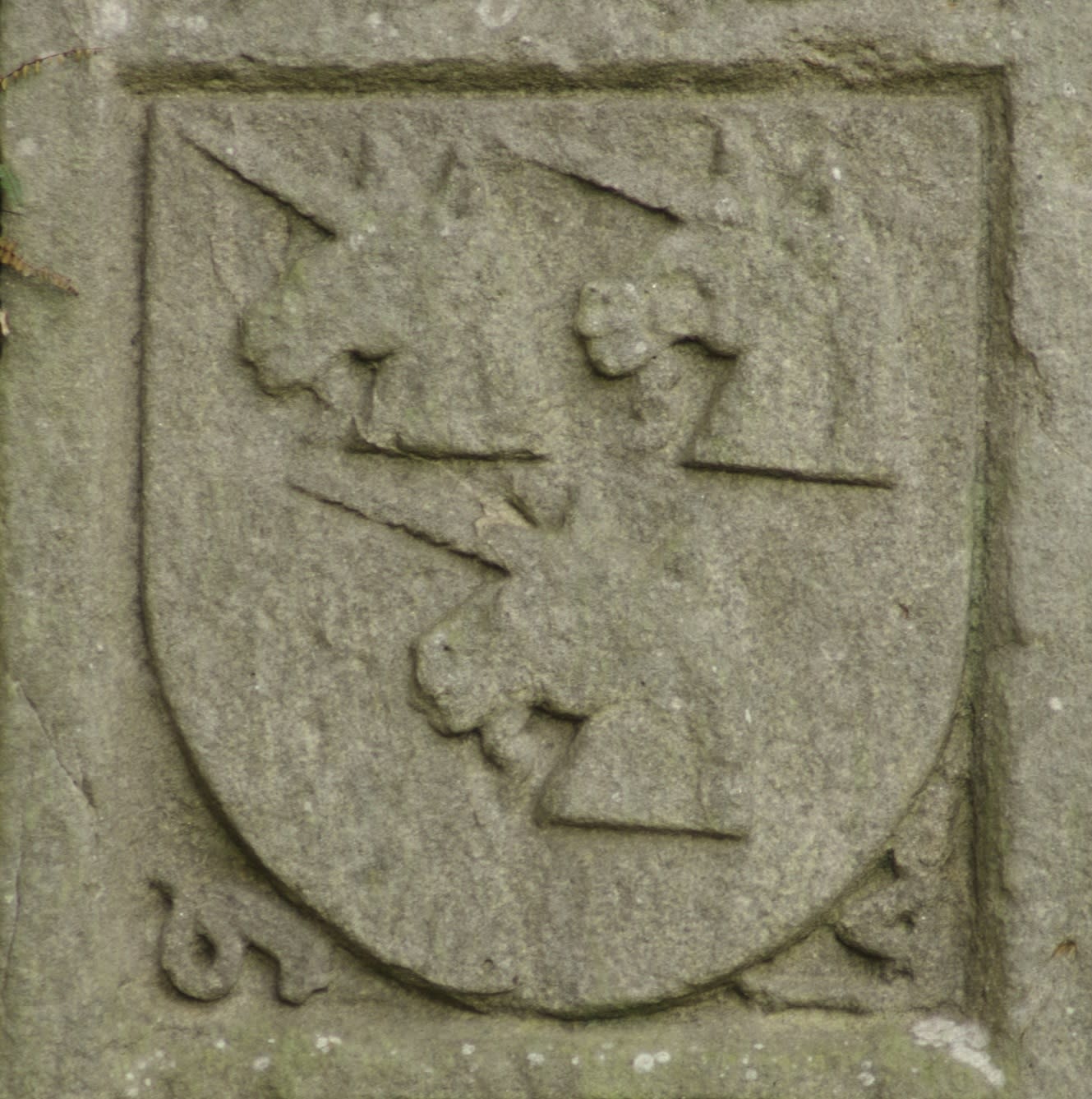
The unicorn that sits atop the pillar may be a much-restored 17th century carving. In 1868, when the cross was reassembled, an ornate plinth for the unicorn was carved by Sir Joseph Noel Paton (1821 - 1901), a Pre-Raphaelite artist from Dunfermline. Paton was also one of the founders of the Cockburn Association in Edinburgh. His plinth features local heraldry, including the town’s (now city!) crest with two lions rampant.
In 1971 the cross was given Category B listed status.
Since 1992 the cross has stood at the foot of Cross Wynd. Will this be the final location of the cross? Only the unicorn can tell!
Shop our Unicorn collection over on Stor.
You are... Linlithgow Palace fountain unicorn
You’re suave, sophisticated and love to throw a tasteful soiree.
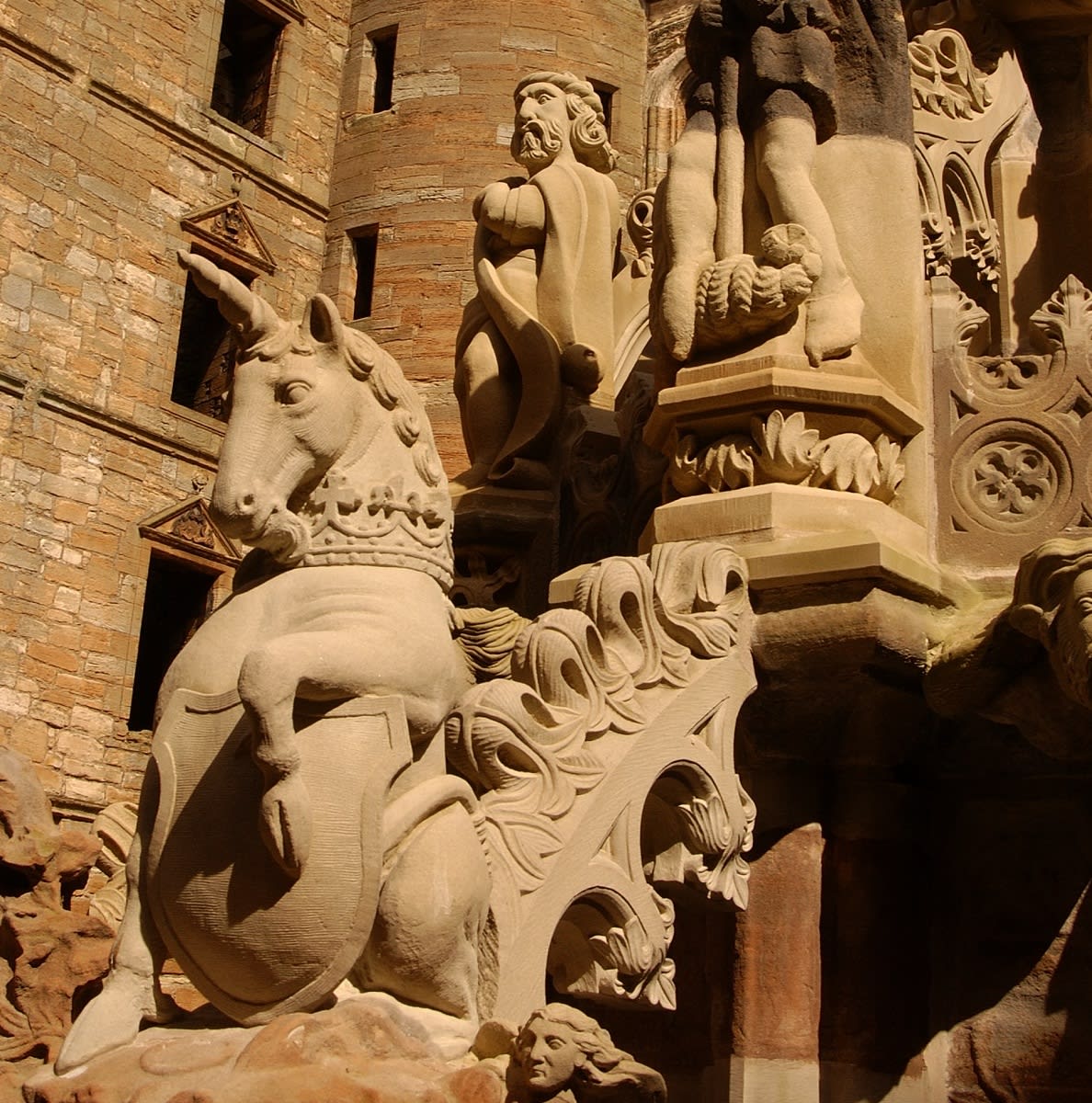
The King’s Fountain at Linlithgow Palace was built by James V in 1538 as the centrepiece of the inner courtyard. Its creation was a flex on the part of James. This was his way of showing Henry VIII that the Scottish monarchy was as grand and powerful as other monarchies in Europe at the time.
At 486 years old, we reckon this is the oldest surviving fountain in Britain. In 2000 we began a five-year project to lovingly restore the fountain. The entire structure was dismantled and each of the 158 carved or moulded stones from the fountain was surveyed, photographed and the condition determined.
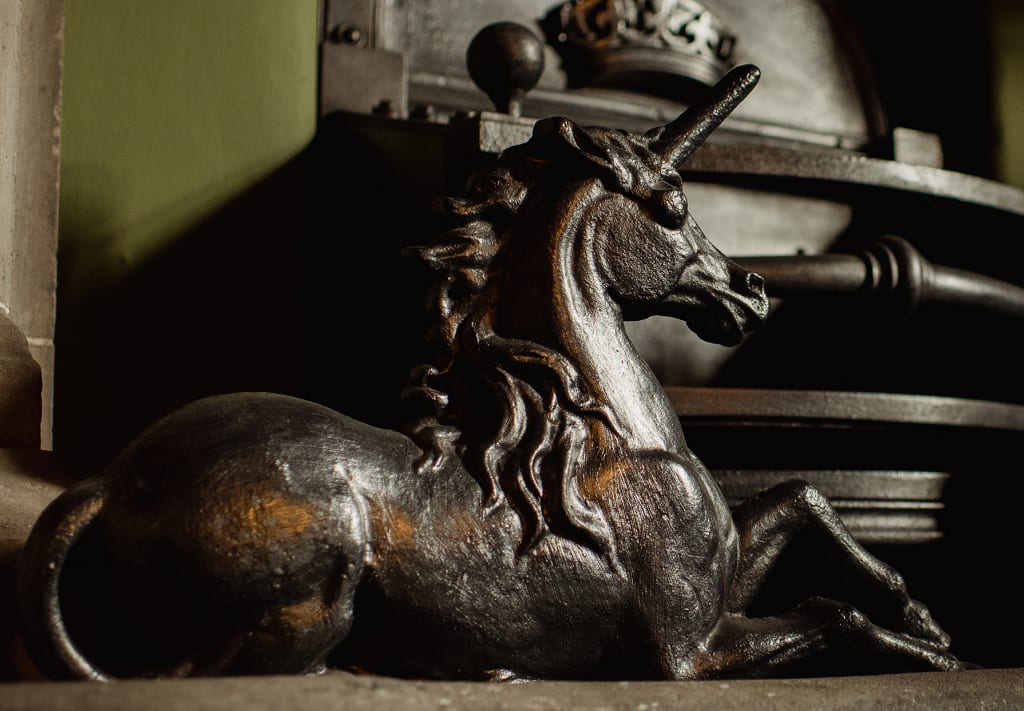
As much as possible of the original material was retained and reinstated during the conservation work, but we also had to call on our skilled stonemasons to replace areas where the carving was too badly damaged to conserve. This beautiful unicorn carving is one of the fresh pieces of stone added to the fountain. The original, weathered unicorn has of course been retained and kept safe.
In 1745 the fountain is said to have flowed with red wine to welcome Bonnie Prince Charlie.
Shop our Unicorn collection over on Stor!
You are... Edinburgh Castle birth chamber unicorns
You are brave, proud and determined.
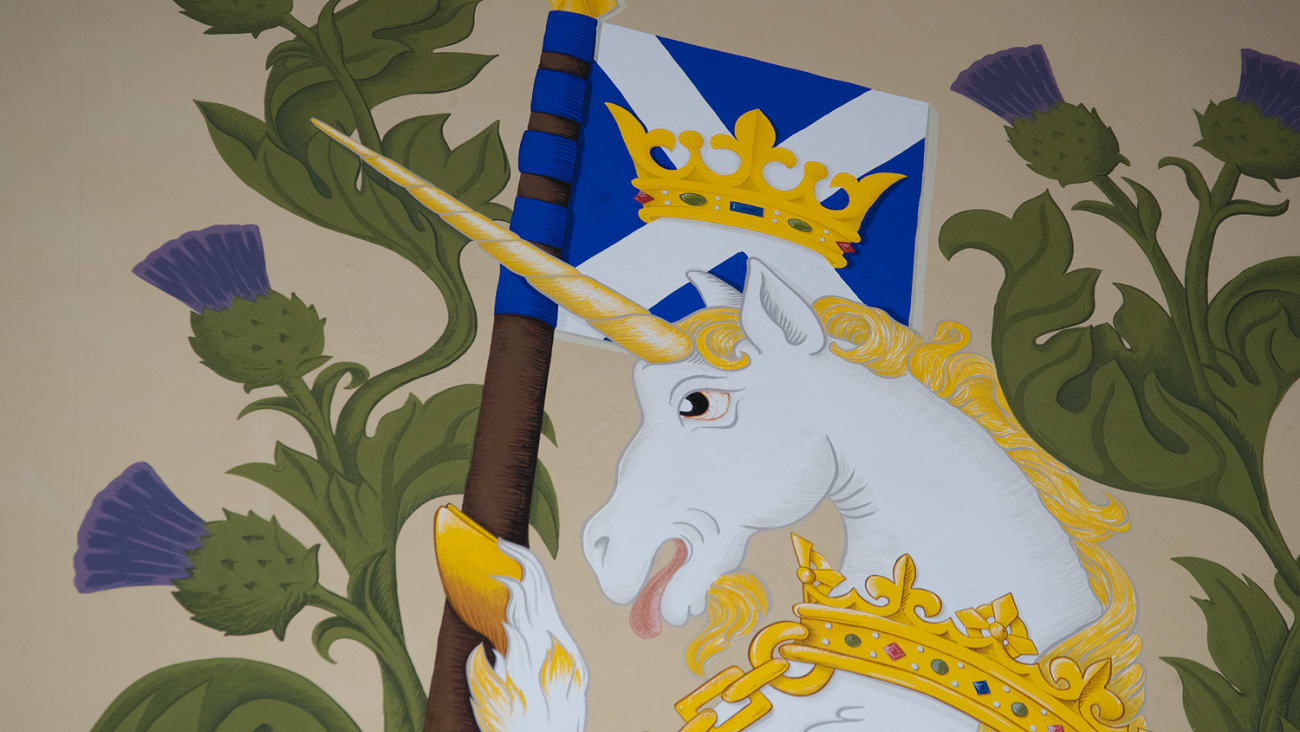
This stoating pair of heraldic beasts has adorned the wall of the royal birthing room at the Royal Palace in Edinburgh Castle for over 400 years.
This intimate room is famous for being the place where Mary, Queen of Scots gave birth to James VI on 19 June 1566.
The unicorns in here were painted by Johnne Andersone in 1617 as part of the lavish redecoration of the palace when James VI returned to Scotland on his Golden Jubilee Tour, 51 years after his birth. Contemporary sources report that James VI made an emotional visit to this room while staying at Edinburgh Castle.
Shop our Unicorn collection over on Stor!
