How Much Do You Know About Tonsil Stones?
Tonsil stones, also known as tonsilloliths or tonsilliths, can develop in anyone who still has their tonsils. While not life-threatening, tonsil stones can cause discomfort and other unpleasant symptoms. Test your knowledge on tonsil stones — what they are, how they form, and how to get rid of them.

What exactly is a tonsil stone?
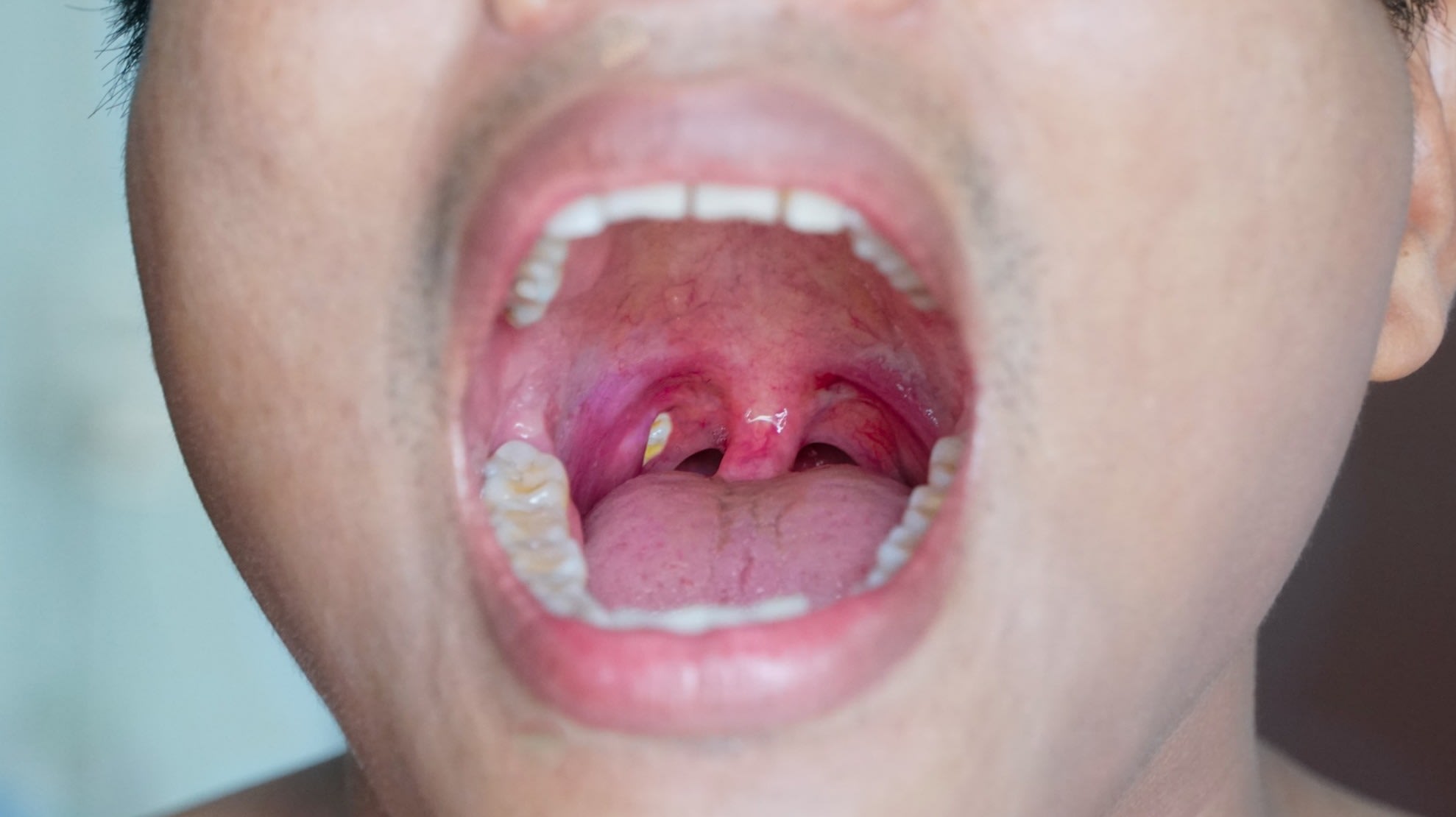
Tonsil stones are yellowish-white deposits that form and grow on and inside the tonsils.
When tonsils become swollen and hardened
Another term for tonsillitis
Hard growths that form in the tonsils
None of the above
What causes tonsil stones to form?

Some people have crevices and pockets in their tonsils deep enough to trap food particles, bacteria, saliva, and cellular debris. Over time these materials become impacted, and eventually form stones.
Poor oral hygiene
Tonsillitis
Trapped food and debris
Not chewing your food well enough
Who is most at risk for developing tonsil stones?

Tonsil stones can develop in anyone who still has their tonsils, regardless of age, gender, and other factors.
People with weakened immune systems
Children
People who don't visit the dentist regularly
Anyone with tonsils
True or false: Poor oral hygiene increases your chances of getting tonsil stones.

It's a common misconception that having tonsil stones means you have poor oral hygiene. People who are vigilant about oral care can also be prone to developing tonsil stones, but it's worth noting poor hygiene can indeed contribute to the development of tonsil stones if you're already prone because of the size and shape of your tonsils.
True
False
Which of the following may be a symptom of tonsil stones?

Persistent bad breath, discomfort in the back of your throat, and pale yellow or white gravel-sized bumps on your tonsils all could indicate the presence of stones.
Bad breath
Sore throat
Problems swallowing
Sensation of something stuck in the back of your throat
All of the above
How are tonsil stones usually treated?

Tonsil stones generally aren't harmful, and can be managed at home. Cotton swabs and water flossers are safe, effective methods for flushing out stones. Surgery isn't recommended unless a patient's life is severely impacted by them.
With apple cider vinegar
Surgery
Water flosser or cotton swab
Digging stones out with toothpicks or other sharp instruments