Ventilators, BiPAP and CPAP.

In 1981 the first CPAP machine was developed. In which country did this occur?

Yes it was developed by Colin Sullivan and colleagues at University of Sydney---for Obstructive Sleep Apnoea.
A 72yr old man with CAL presents short of breath. He is alert. 02 Sats 88%. His VBG shows a Ph 7.26 PaC02 72. What is the most appropriate respiratory support?

BiPAP is the best option for acute hypercapnoeic respiratory failure.
A patient is started on BiPAP for shortness of breath. The IPAP is 12cm H20 and the EPAP is 6cm H20. What "pressure support" is being delivered?
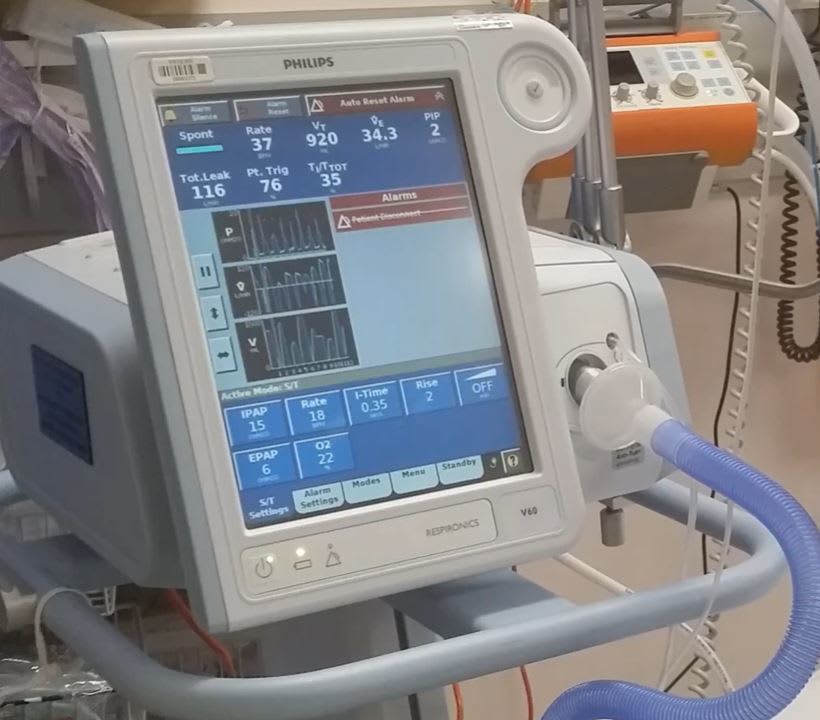
Pressure support is IPAP minus EPAP.
Therefore it is 12cm H20 - 6cm H20 = 6cm H20.
Which of the following is an absolute contraindication to non invasive ventilation?

If you cannot protect your airway then you have a really high risk of aspiration---which is bad.
You have put a 23yr old lady with severe asthma on a ventilator. She is effectively sedated and paralysed. She suddenly gets high peak and plateau pressures, desaturates and drops her blood pressure. What is the first diagnosis you need to exclude?

She is at high risk of tension pneumothorax. Disconnect from the ventilator. Hand bag and clinically examine her and treat the pneumothorax ASAP.
What is the primary advantage of PEEP in a ventilated patient?
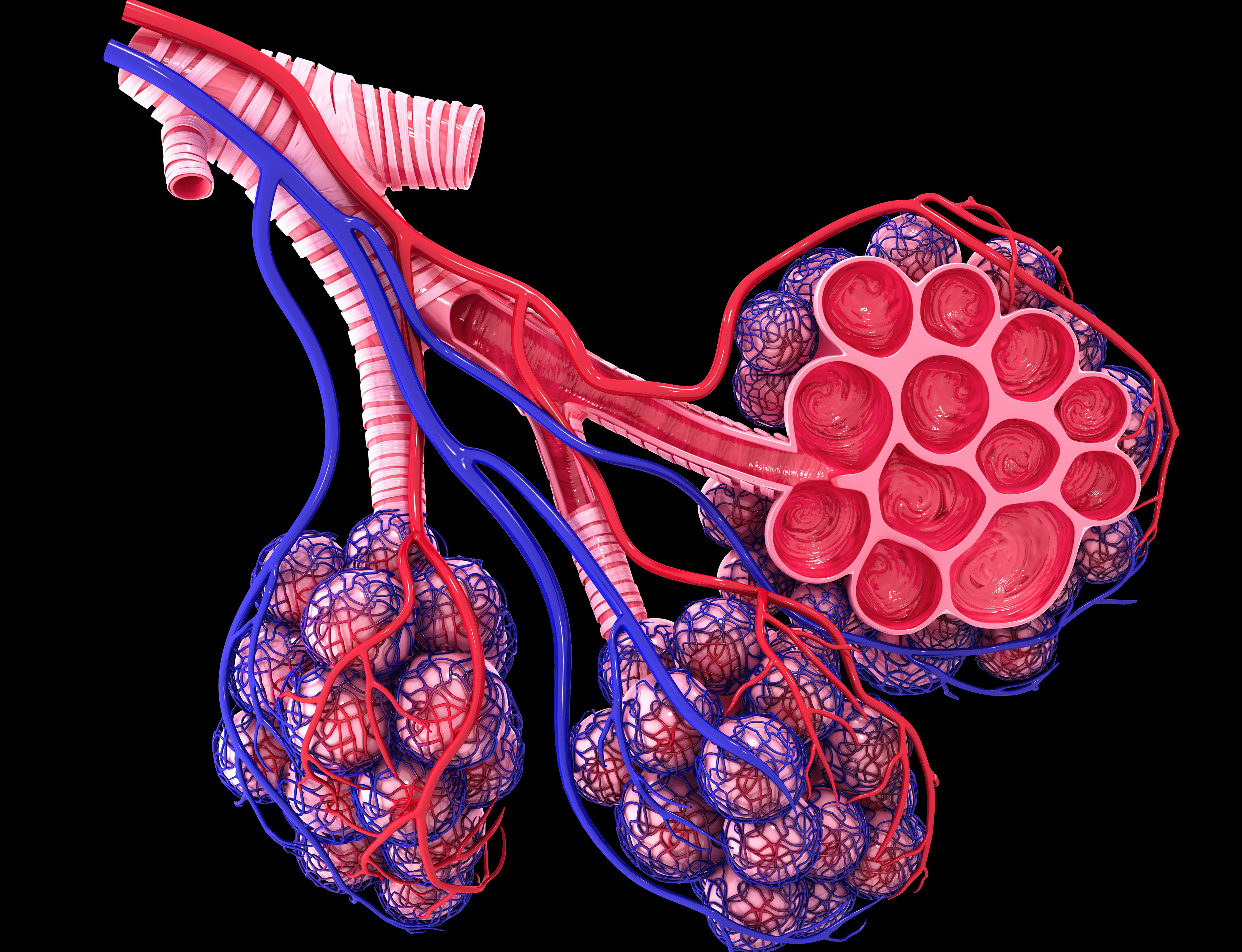
Using PEEP recruits collapsed alveoli which improves oxygenation so decreases oxygen requirements.
In the situation of ventilating a patient suffering an acute exacerbation of asthma, what is "permissive hypercapnoea?
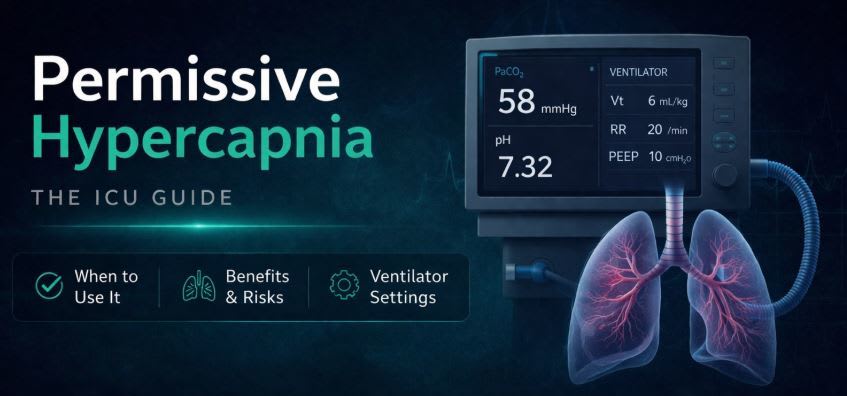
Using lower tidal volumes and a slower respiratory rate decreases the chances of creating "Auto PEEP" and barotrauma.
A 78yr old man with a history of CAL has been on BiPAP for 90 mins. He is becoming drowsy. His Ph has gone from 7.24 to 7.16 and his PaC02 has risen from 78 to 96. What is the next best step?

The C02 is rising and the Ph dropping. The patient is getting drowsy. These are all signs of the failure of Non Invasive Ventilation. The patient needs to be intubated.
A 78yr old lady is on BiPAP for CAL. Her oxygenation has improved but she still has a high C02. Which option would you choose.

If you increase the IPAP you increase the "pressure support". This increases your tidal volume and helps to clear out the C02.
In 1952 there was a polio outbreak in Copenhagen. They trialled using a tracheostomy, ETT and hand bagging until the children got better. How many medical and dental students were paid to hand bag them 24/7 on shifts?

The children had bulbar polio which had a 90%+ death rate on their negative pressure ventilators. Using this technique the death rate dropped to 25% and it was the start of positive pressure ventilation.
Bonus question. How fast do you have to drive a car with your head out the window to simulate a CPAP of 5cm H20?

Note: Get ANOTHER person to drive the car whilst you are attempting this.