CALCULATING RESIDENTIAL SQUARE FOOTAGE
Are you familiar with how MPAC measures square footage?
MPAC measures the square footage of a property based on the exterior dimensions of the building, which can result in a different figure compared to interior measurements or those obtained using the RMS standard.
Take this quick four-question quiz to see how you measure up!

What does MPAC base their assessments on?

Five key factors that affect your property's value
1. Age of the building, adjusted for any major renovations or additions.
The value of your property is influenced by the age of your house and other structures. While the house may have been built in a given year (defined as the "Actual Year"), major renovations or additions may change the Effective Year of its construction.
2. Exterior square footage
We measure the exterior of your home to determine the total area of the inside of the building. This does not include your:
- basement
- deck
- porch
- garage
If you have a room that is open to the second floor, the area of the open space is included with the second floor area.
If you have more than two floors, the assessment will include the third and upper floors based on the home's exterior measurements and interior measurements where available.
3. Location
Your home's neighbourhood and market area affect what others would be willing to pay for it if you sold it.
4. Lot dimensions
We calculate the area of your lot by multiplying the frontage by the depth. We take these measurements from the property’s legal description in one or more of the following:
- Parcel Register of the Land Registry Office
- Land Transfer Tax Affidavit
- Land Transfer Tax Statements of the Land Titles Office
5. Quality of construction
The construction quality of your home is affected by materials, architecture, and the workmanship used in building it. Building standards and codes have changed over the years, so we have different methodologies to identify different levels of quality.
What is included in the square footage of a house listed on the MLS® System in Ontario?
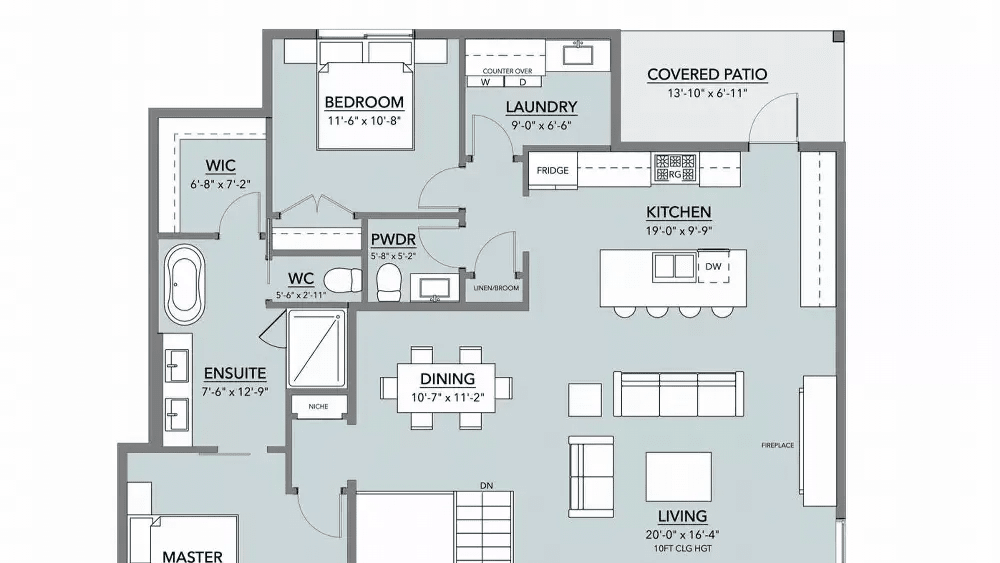
Detached house: The total area of each floor above grade is measured to the exterior face of the outside walls, and it includes any open to above or below areas. MPAC measurements for residential properties typically include only above-grade living areas. Below-grade areas (basements) are not included in the primary square footage calculation used for assessment purposes.
How do I use this method when measuring townhouses or condos (properties with common walls)?
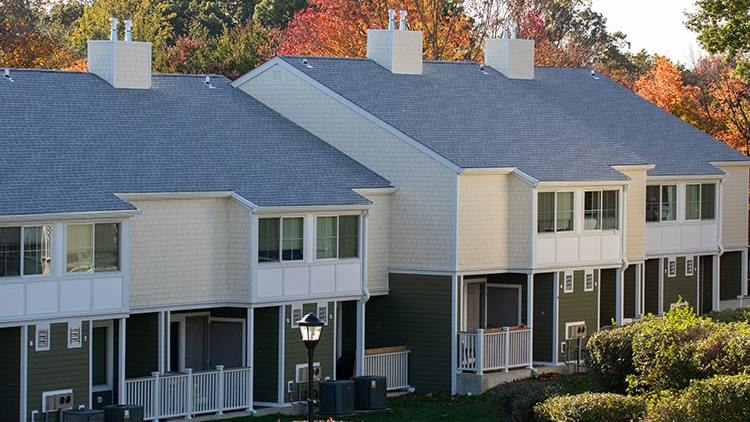
For properties with common walls, such as half-duplexes, townhouses, and apartments, MPAC typically measures to the centerline of party walls (shared walls between units) rather than using pure exterior measurements. This means:
- Exterior walls are measured to the outside face
- Shared/party walls are measured to the centerline
- You don't simply add wall thickness to interior measurements
Under what circumstances would an attic space be included in the sq. ft. calculations?
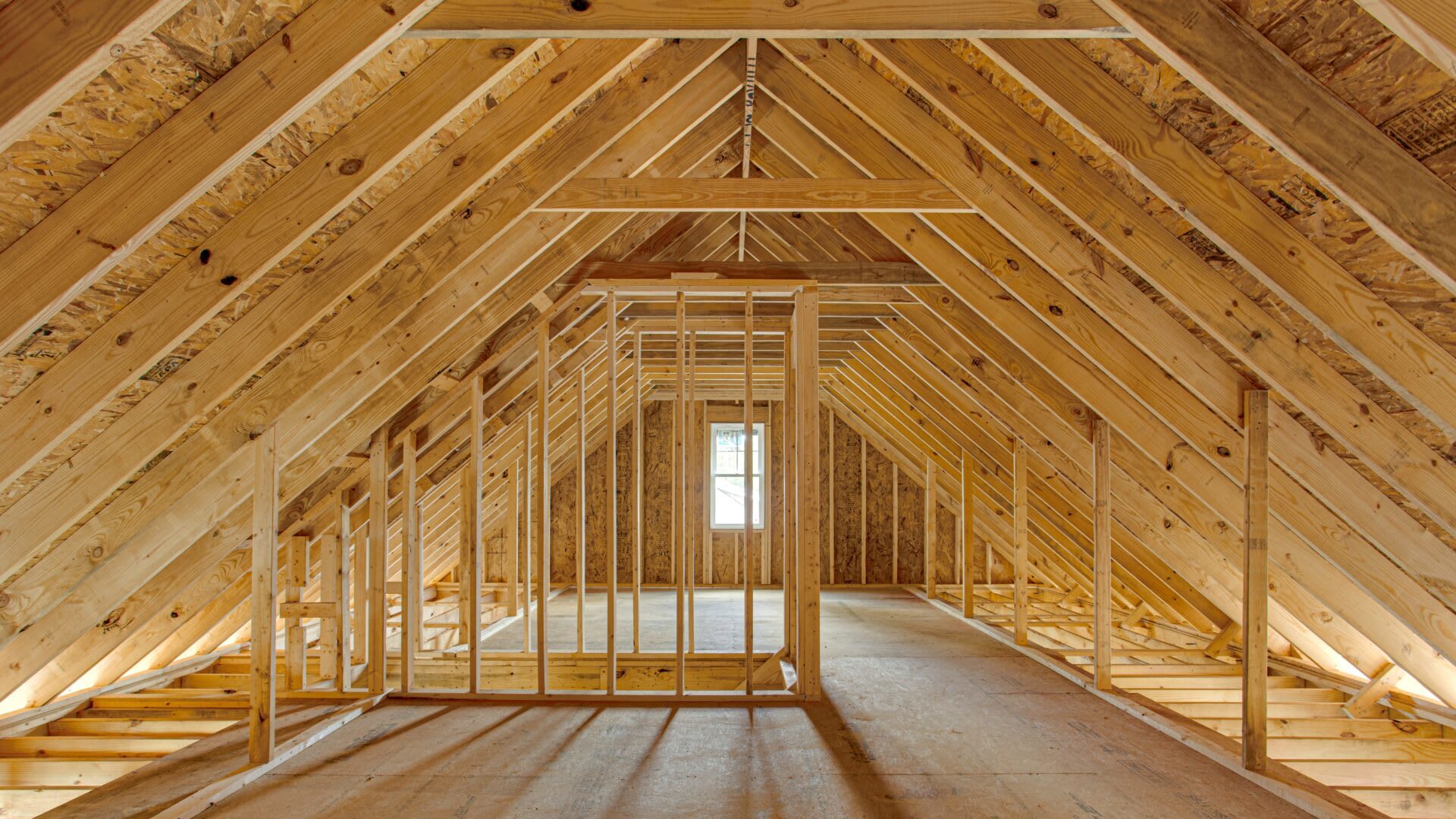
MPAC includes the floor area associated with a vaulted ceiling if the exterior wall height of that level is full or at least 6 feet.
- The vaulted ceilings have nothing to do with sq. ft measurments. Rooms with vaulted or cathedral ceilings are measured at floor level. The square footage is based on the floor area, not the volume of the space.
You got {number correct}/{number of questions} correct answers.
Oops! Your knowledge of the MPAC method of measuring square footage could use some improvement! Why not take a minute to read the MPAC explanation on measuring sq. ft to get more familiar with it? It's the best way to stay at the top of your game.
Stay tuned for our next quiz!

You got {number correct}/{number of questions} correct answers!
Congratulations! You know your stuff when it comes to the MPAC method of measuring square footage! Why not take a minute to read up on how MPAC measures sq. ft. to keep up-to-date? It's the best way to stay at the top of your game.
Stay tuned for our next quiz!
