They Invented What? African American Inventors and Their Life-Changing Ideas.
When you're done head over to limalibrary.com/communityread and learn about Lima Library's pick for our first ever community read, Everybody's Son, and participate in all of our book related activities there.
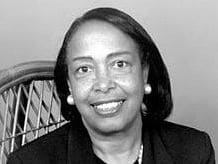
This ophthalmologist patented a device in 1988 that revolutionized the way cataract surgery was performed and brought sight back to many around the world. Who was the doctor?
Which inventor and entrepreneur improved the long-haul transportation of perishable goods with their innovations in refrigeration?
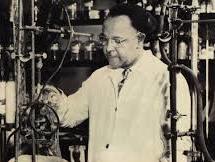
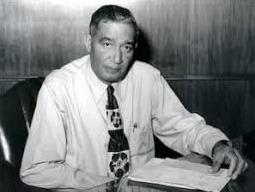
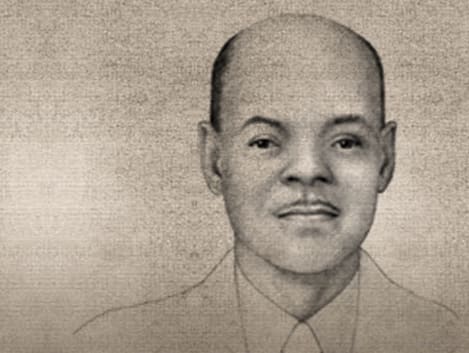
This inventor helped to make electric lighting practical and affordable for the average household. Who was he?
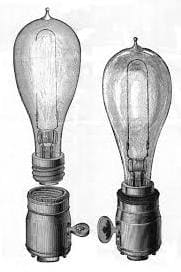
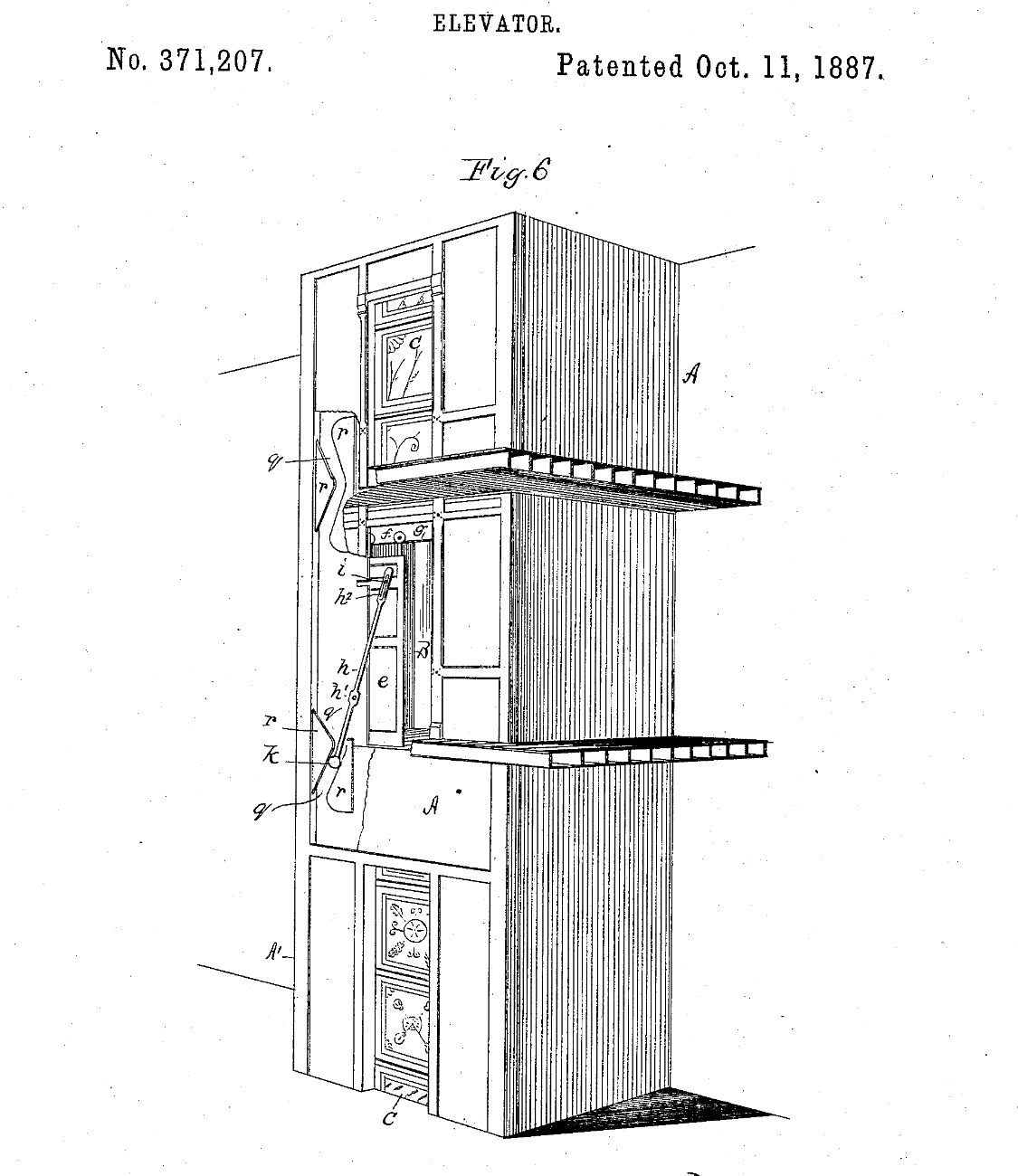
Riding the elevator became a much safer experience by this inventor who patented an elevator door that could open and close automatically. Can you name the inventor?
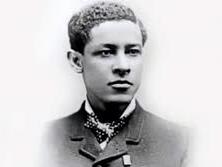
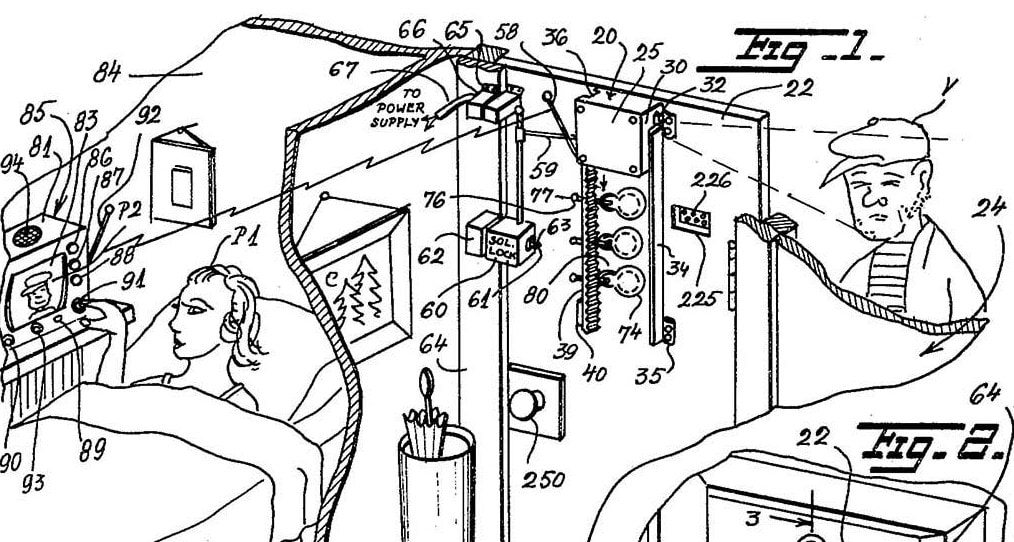
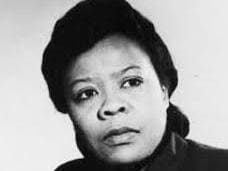
We can rest, assured that our homes are being safely monitored for intruders, thanks to the innovative thinking of this inventor who patented a design for the first home security system. Who was the inventor?
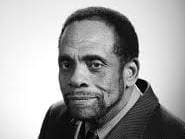
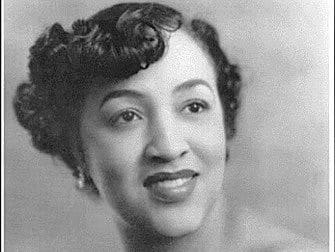
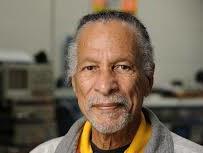
Which National Inventor's Hall of Fame inductee is most famous for his invention of an imaging X-ray spectrometer?

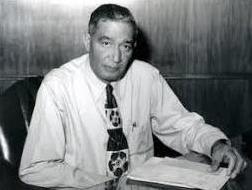
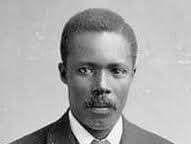
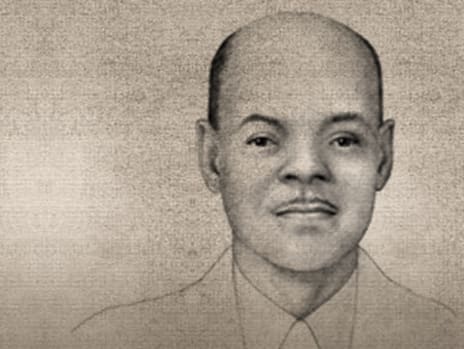
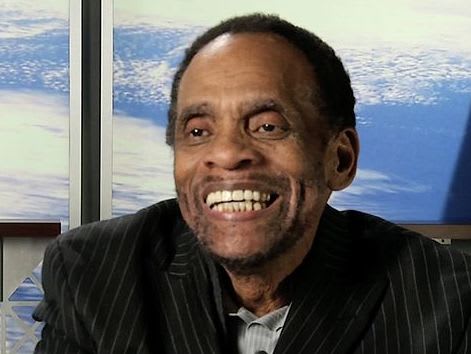
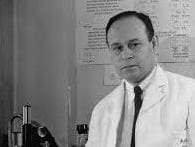
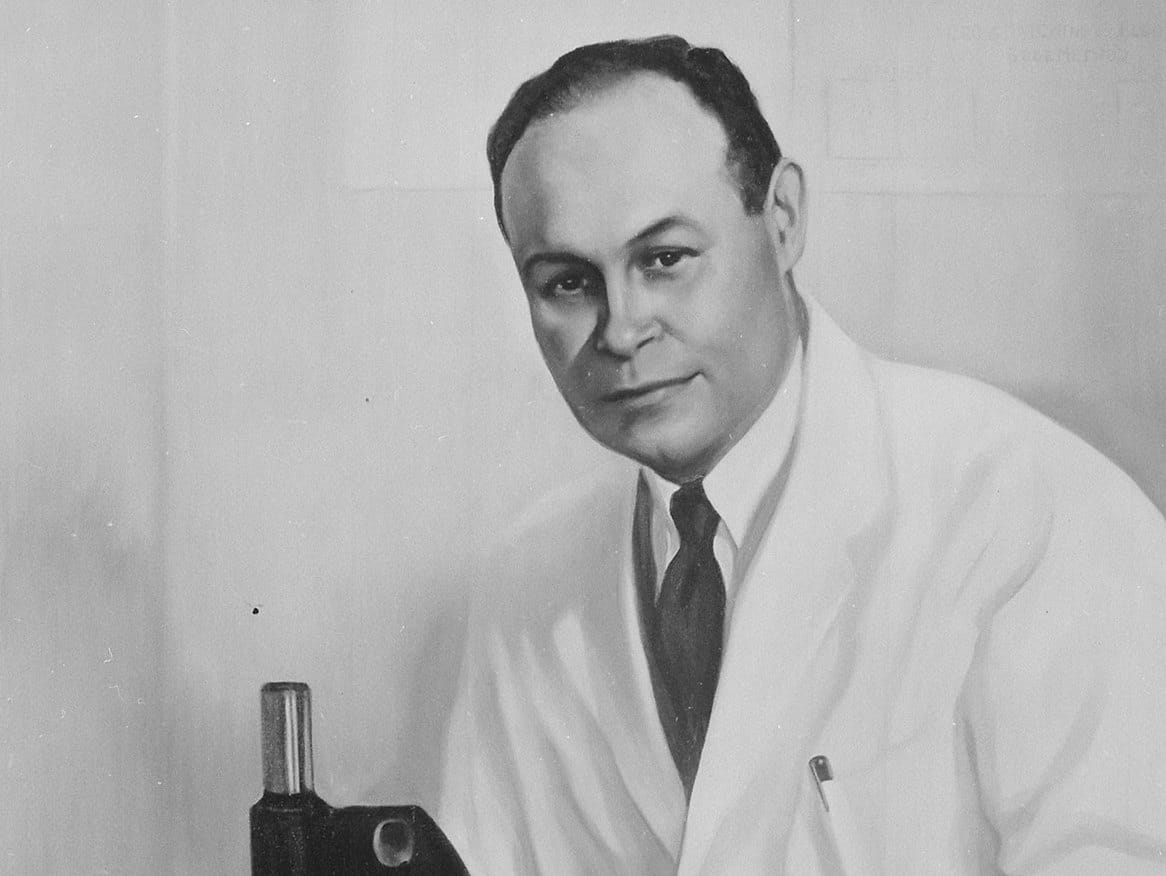
Which surgeon developed methods to store large quantities of blood plasma donations allowing many soldier's lives to be saved during WWII?

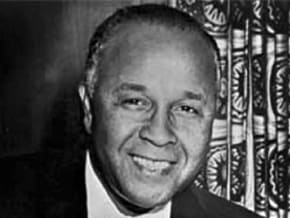
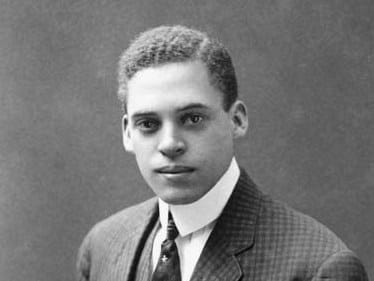
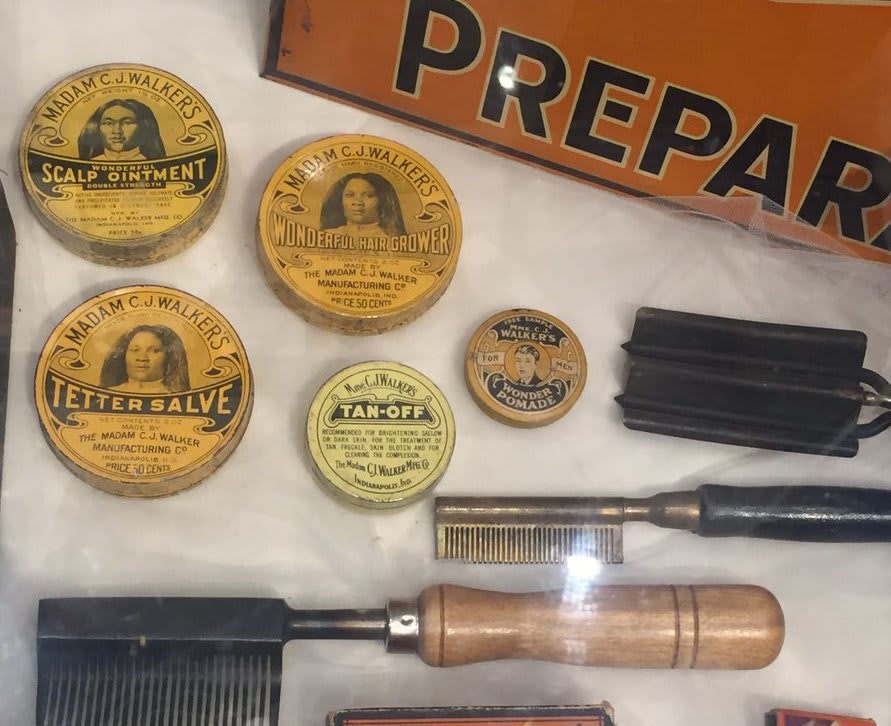
Which entrepreneur has the distinction of being the first female self-made millionaire in America, according to the Guinness Book of World Records?
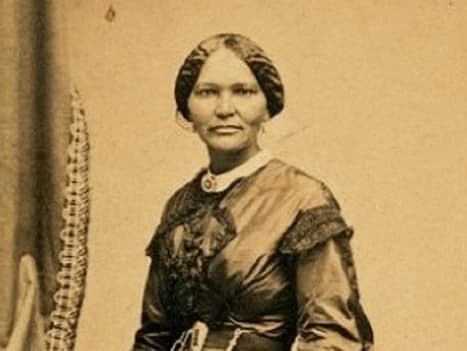
This inventor patented a machine to automatically attach the sole onto the upper portion of the shoe, greatly reducing the cost of shoes for the average person. Who was the inventor?
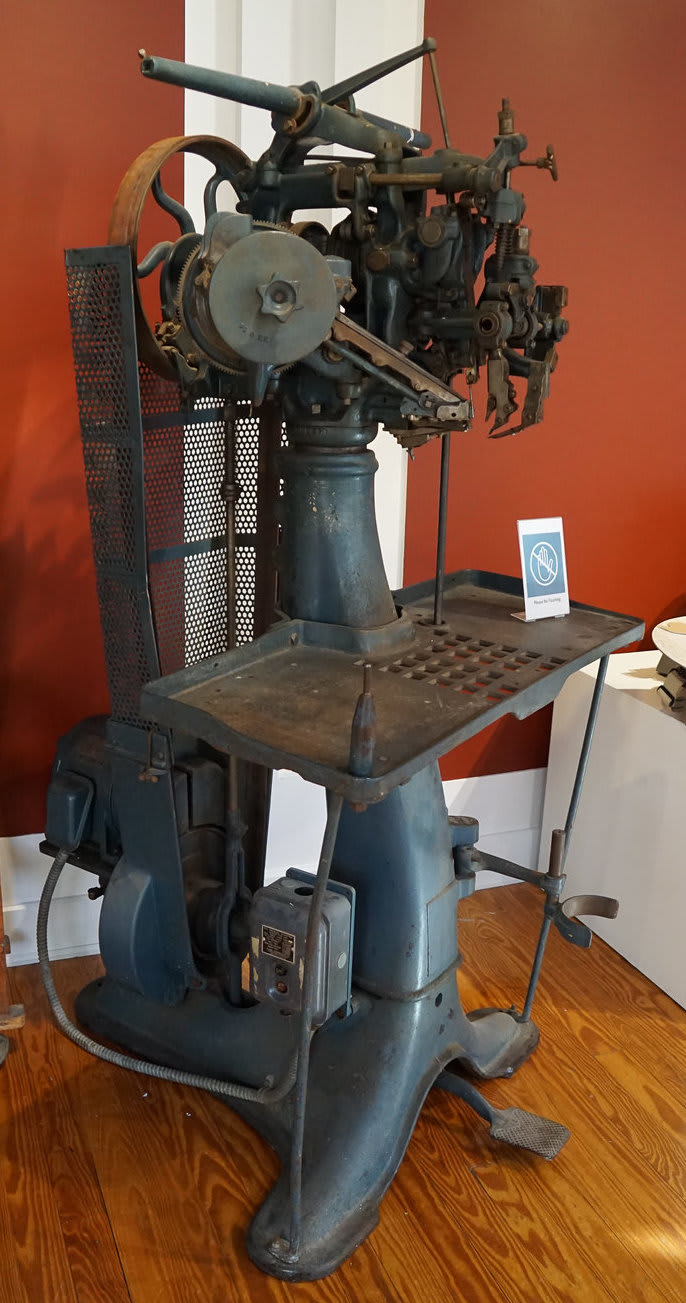
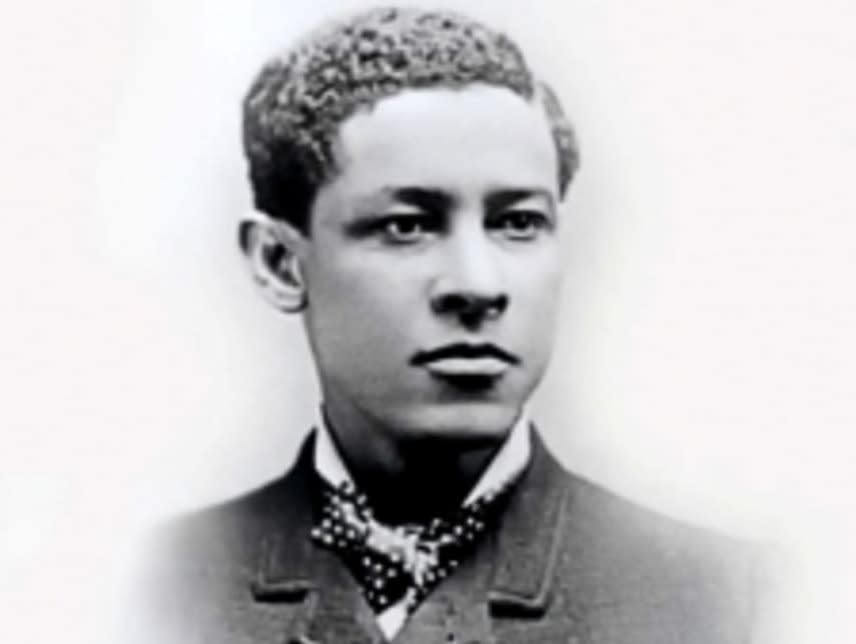
Jan Ernst Matzeliger apprenticed in the Colonial Shipworks in Paramaribo, which had been in his family's holdings for three generations. There he displayed an aptitude for machinery and mechanics at an early age. Arriving in Philadelphia, Pa via a merchant ship from Dutch Guiana, now Suriname, Matzeliger became employed in the shoe trade. He continued to learn about the shoe industry after moving to Massachusetts, later becoming employed at the Harney Brother Shoe factory. At the time shoes were made by hand, first by creating a wood mold of the person's foot called a last. Then the shoes were sized and shaped on the mold. The sole had to be manually attached to the upper portion. Matzeliger developed a machine, the automatic shoe laster, that could mechanically attach the sole to the upper shoe. The invention made it possible to produce 150 to 700 pairs of shoes a day where previously a worker could hand produce 50 pairs during a 10-hour work day. Matzeliger was obsessed with his work and thus often neglected his health by working long hours and forgoing eating. He succumbed to tuberculosis just shy of his 37th birthday, August 24, 1889.
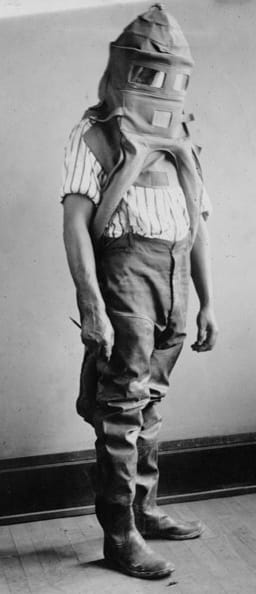
The invention of a safety hood, the precursor of the WWII gas mask, made it possible to breathe in polluted air. Who was the inventor?
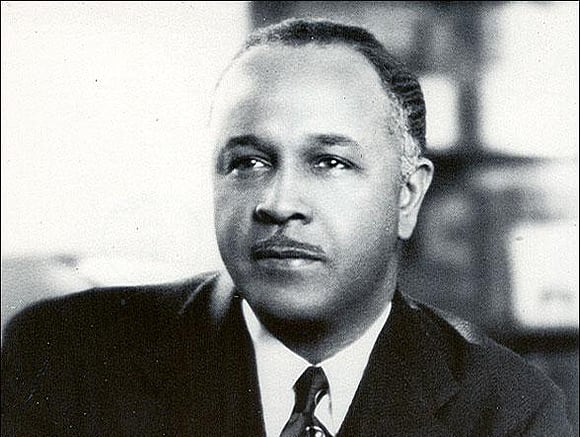
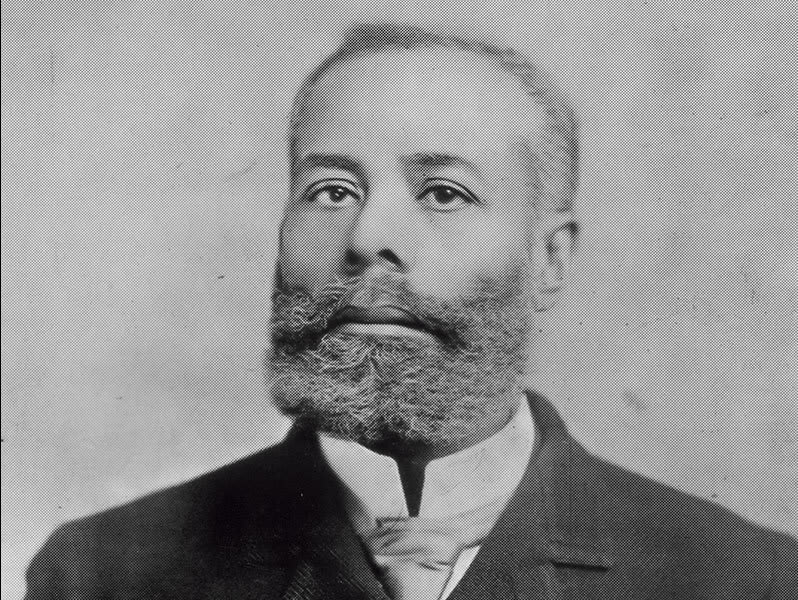
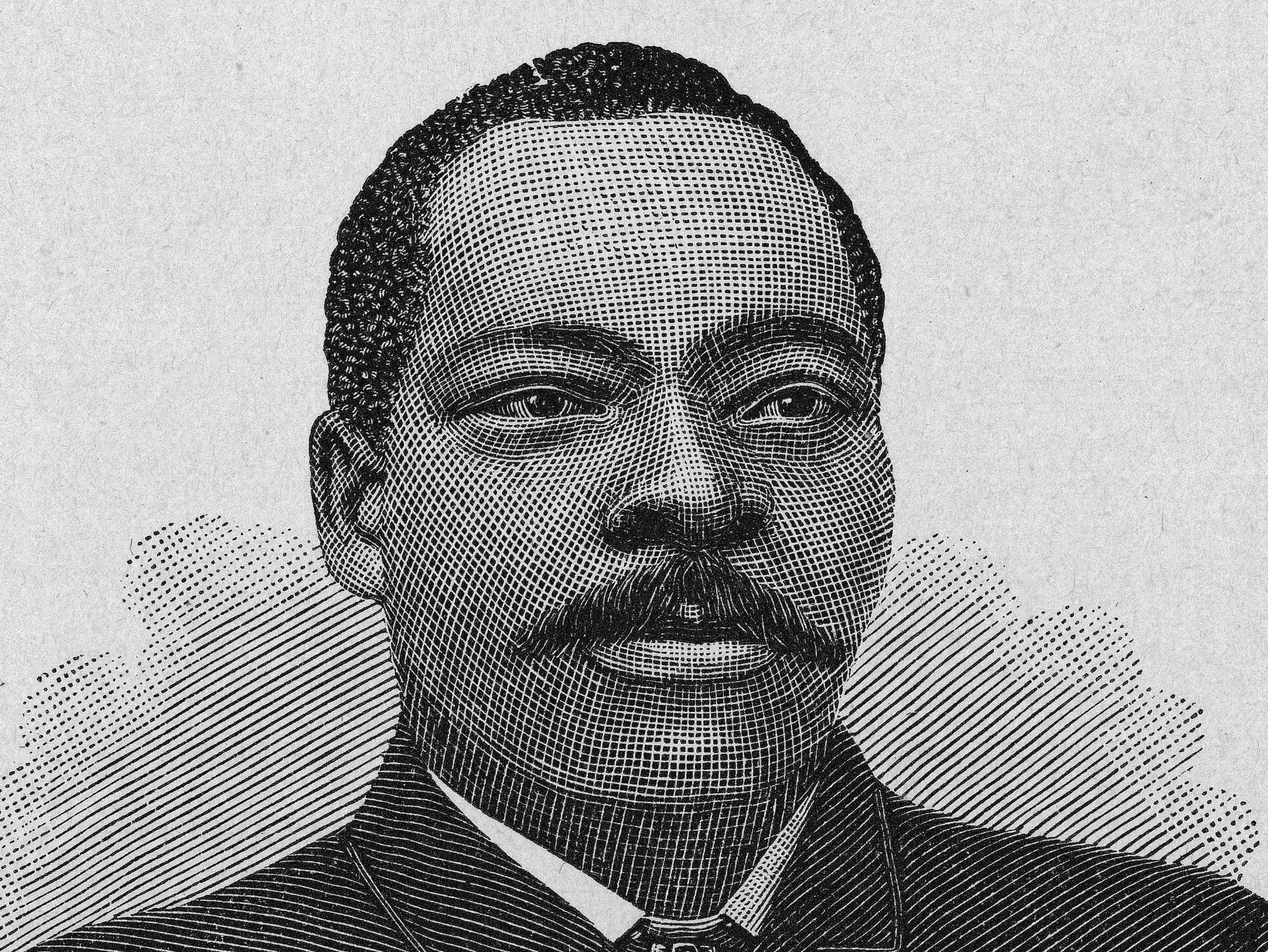
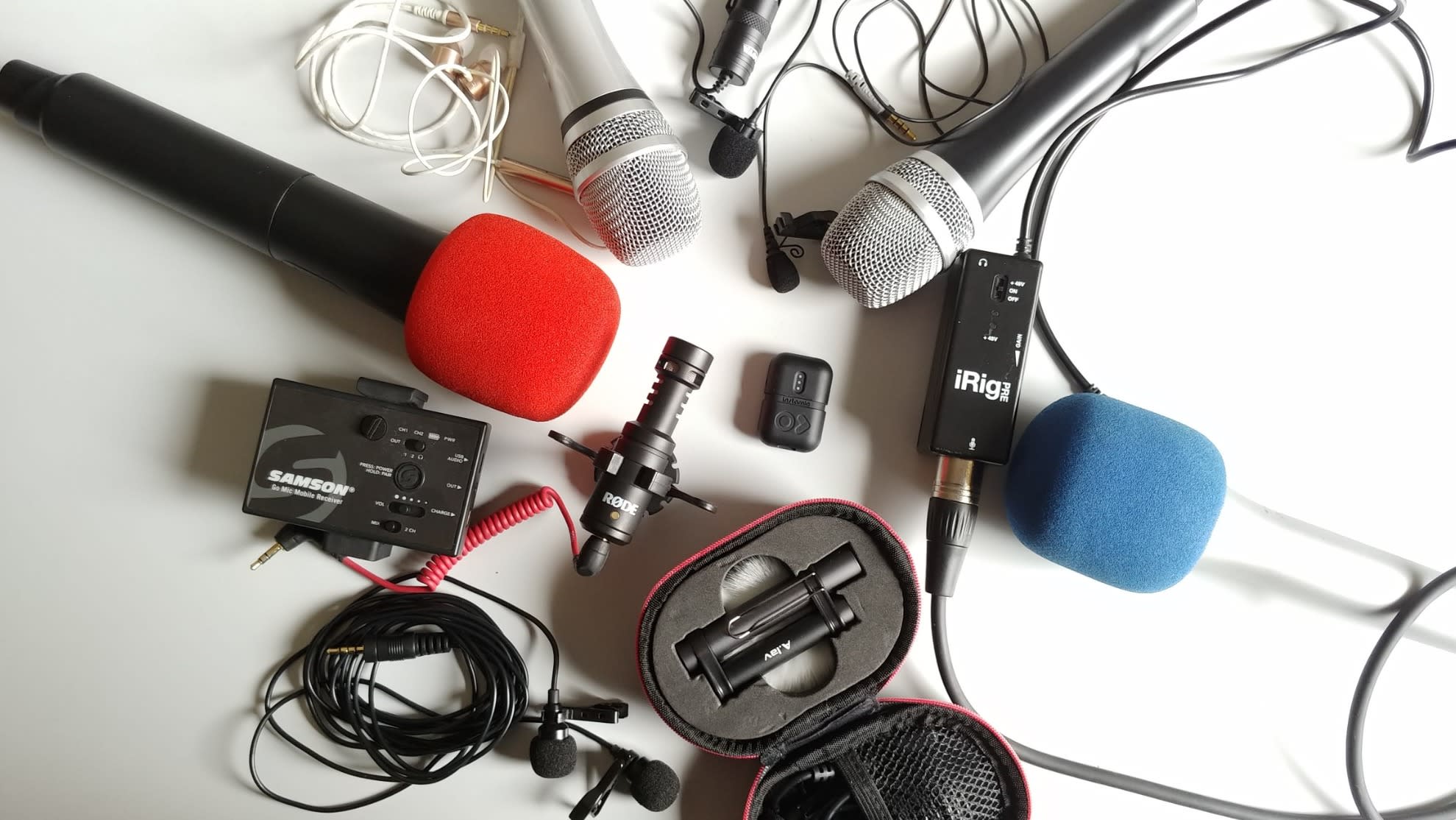
What do cell phones, laptops, baby monitors, and hearing aids have in common? They all contain microphone technology developed, in part, by this African American?


This chemist was the first to synthesize the natural drug physostigmine using the Calabar bean. The drug is used to treat glaucoma. Who was the inventor?


Sometimes you just have to have some fun. This next inventor, although an engineer, is best known for inventing the Super Soaker water toy. Who was he?


Failure is not a bad thing

Not great, but it could be worse!

You did well! You could, however, do better.

Amazing! You really know your quotes!