What do you know about Elder Abuse: Quiz
Thank you for taking the "What do you know about Elder Abuse Quiz".
Learn more about Elder Abuse Prevention Ontario via https://eapon.ca/
You can take this quiz as many times as you like to increase your knowledge and awareness.
Questions or comments about this quiz can be directed to admin@eapon.ca
Physical abuse is the only form of elder abuse.
Physical abuse is one of the forms of Elder Abuse.
There are different forms:
- Physical abuse
- Sexual abuse
- Emotional abuse
- Financial abuse
- Violation of rights and freedoms
- Neglect
- Systemic violence
To learn more: https://eapon.ca/learn-the-facts/
Psychological abuse can be verbal and non-verbal.
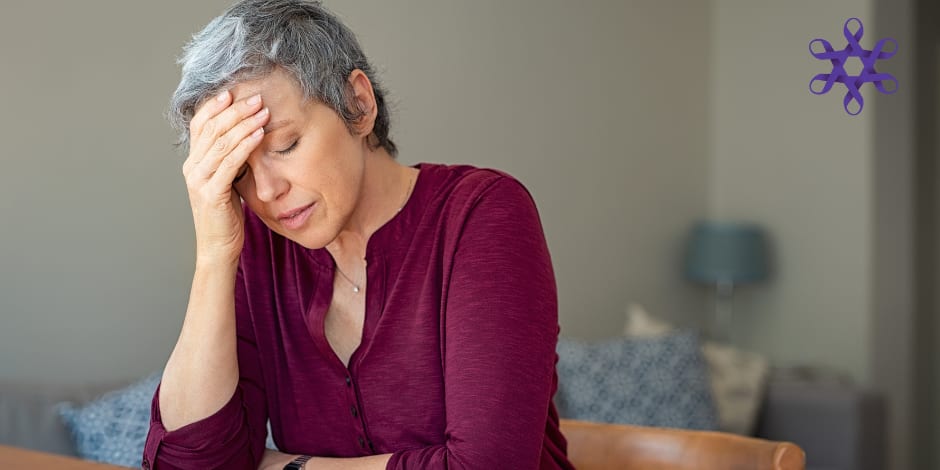
Psychological abuse is the infliction of mental stress, fear or feelings of shame and powerlessness. It may be verbal or non-verbal, and is usually a pattern of behaviour repeated over time and intended to control the person.
Learn more here: https://eapon.ca/learn-the-facts/psychological-abuse/
One sign that indicates emotional abuse is when a family member does not give an elder access to others.
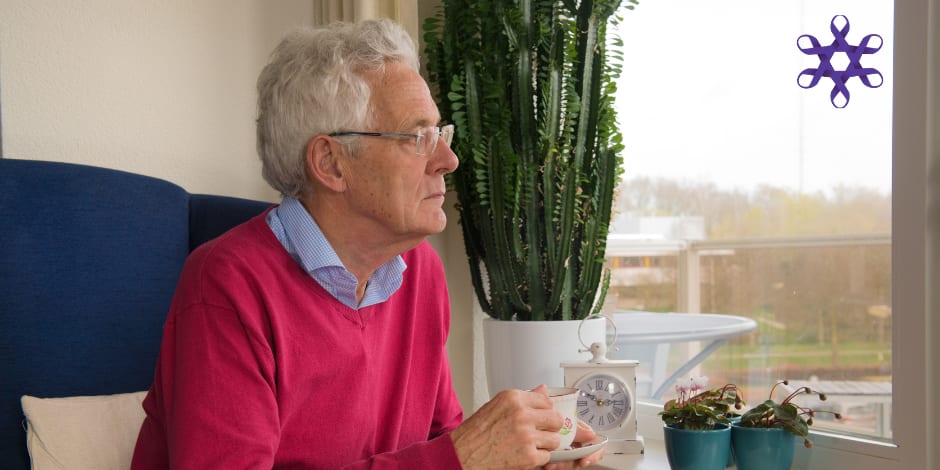
Emotional and Psychological abuse is any action, verbal or non-verbal, that lessens a person’s sense of identity, dignity and self-worth.
Examples:
- Not allowing the senior to socialize, including access to telephone, friends, neighbours, or attending social gatherings
- Withholding of affection, such as refusing access to grandchildren
- Not considering a person’s wishes. Removal of decision-making powers
- Treating a senior like a child
- Threats of institutionalization – “Do what I say or I’ll put you in a home”
Learn more here: https://eapon.ca/learn-the-facts/psychological-abuse/
One sign that indicates neglect is when an elderly person is wearing the same clothing every time you see them, no matter what time of day or season.
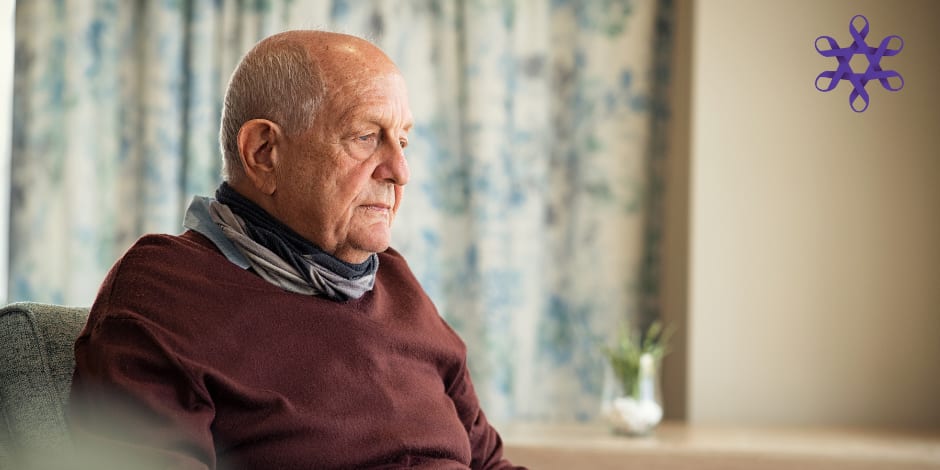
Neglect is not meeting the basic needs of the older person.
- Active (intentional) neglect: the deliberate withholding of care or the basic necessities of life to an older adult for whom they are caring
- Passive (unintentional) neglect: the failure to provide proper care to an older adult due to lack of knowledge, experience /ability or unaware of how to access local
Learn more here: https://eapon.ca/learn-the-facts/neglect/
Men are more likely to abuse the elderly.
Older people must attend medical appointments with another person present in case they forget what the doctor told them.

Older people can choose to attend medical appointments on their own, or they may ask a trusted friend or relative to attend with them if they wish to.
Who can report the case of elder abuse?
Everybody can report the case of Elder Abuse.
You can contact the Seniors Safety Line to speak to a trained counselor at
1-866-299-1011.
To learn more about abuse, visit our Learn the Facts page and our Factsheets section.
To learn more on how to Prevent Elder Abuse visit our website: https://eapon.ca/prevention/
You got {number correct}/{number of questions} correct answers
Thank you for taking “What do you know about Elder Abuse Quiz"!
Some ideas for increasing your awareness, engagement and understanding of Elder Abuse include:
- Checking out and sharing resources available from Elder Abuse Prevention Ontario
- Connecting with your local Elder Abuse Prevention Network service about ways you can help: https://eapon.ca/local-networks/
Follow us:
Elder Abuse Prevention Ontario: eapon.ca
Twitter: @EAPreventionON
Instagram: @EAPreventionON
Facebook EAPreventionON