
Unusual Easter Traditions Around the World — Quiz
Test your knowledge of some lesser-known (and delightfully odd) Easter and Holy Week traditions practised in different countries. Choose the best answer for each question.
In Norway, many people celebrate Easter by doing what unexpected activity?



In Norway, “påskekrim” (Easter crime) is a popular tradition: people read crime novels, watch crime series, and even see crime-themed product marketing during the Easter holiday.
Which tradition, dating to the 11th century, takes place in Florence, Italy, on Easter?


Florence’s “Scoppio del Carro” features a decorated cart packed with fireworks, traditionally ignited in a ceremonial way to bring good luck and a good harvest.
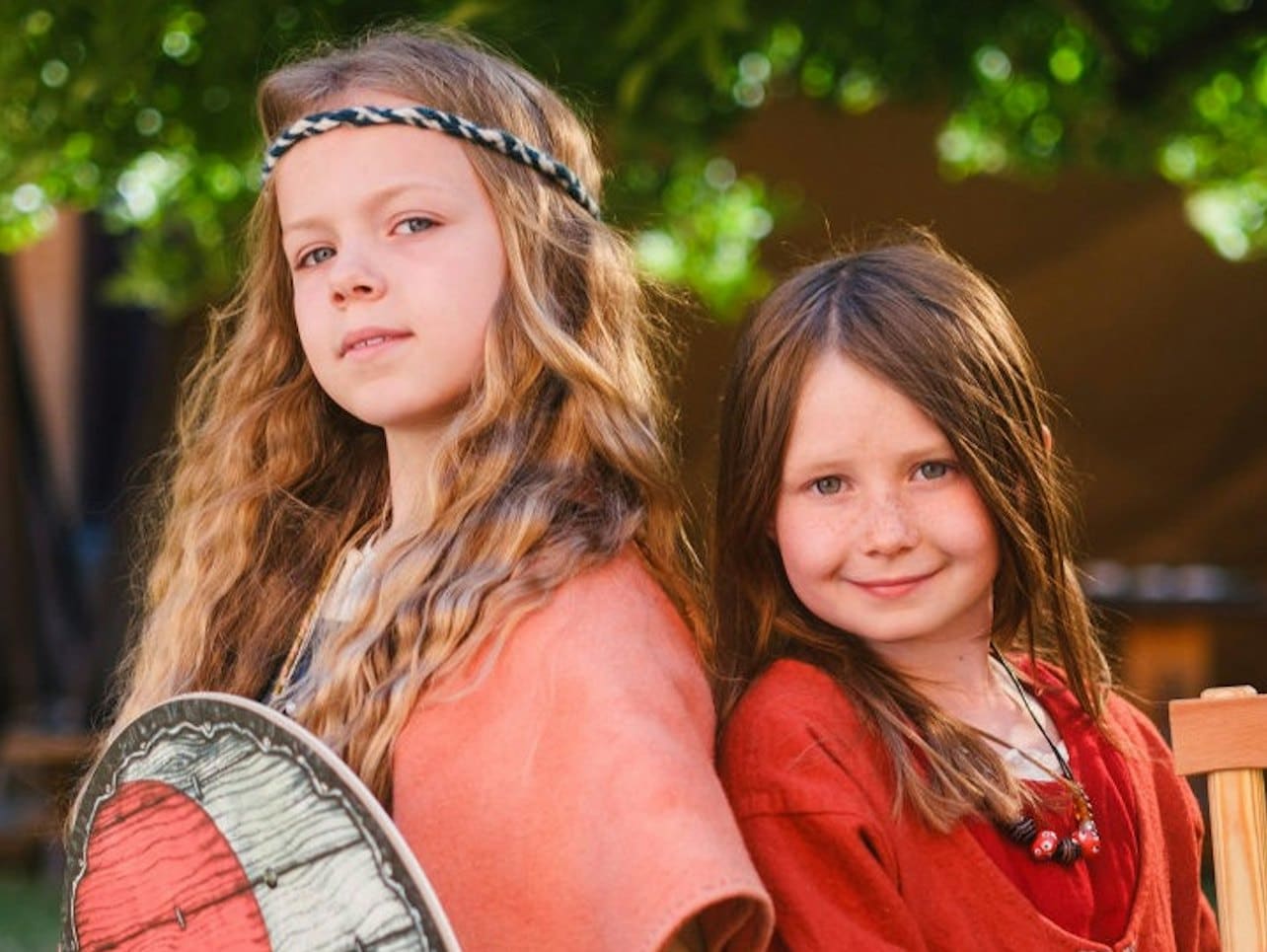
In Sweden and parts of Finland, children sometimes dress up in a way that resembles which character group at Easter?



On the Greek island of Corfu, what unusual thing is famously thrown from balconies on Holy Saturday?


Corfu is known for the “botides” tradition: locals throw large clay pots (often filled with water) from balconies, creating loud crashes that symbolise renewal and good fortune.
In parts of Spain during Holy Week, what clothing item do penitents wear that can look surprising to outsiders?


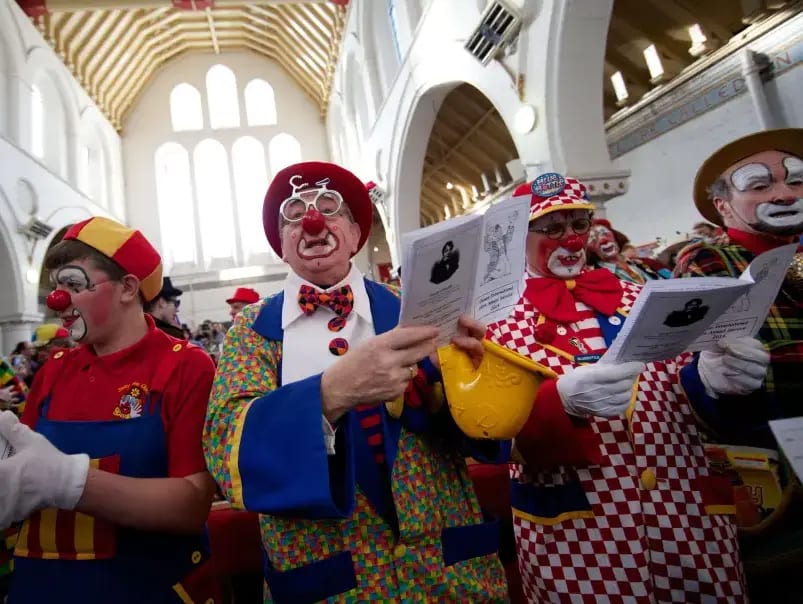

During Semana Santa processions in Spain, members of religious brotherhoods may wear long robes and tall conical hoods (capirotes), a historical symbol of penance and anonymity.
In Bermuda, what is a popular Easter activity that often involves handmade creations and windy skies?


In the Czech Republic and Slovakia, a traditional Easter Monday custom involves boys doing what (often playfully) to girls?
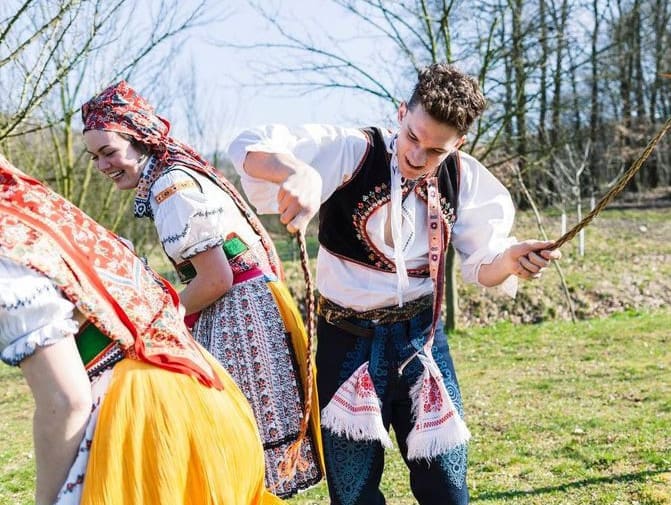



On Easter Monday, boys may lightly whip girls with braided willow branches (pomlázka in Czech), traditionally believed to bring health and freshness—now often practised in a playful, symbolic way.